

The complete guide
Bird Spikes for Fences: How to Measure, Fix and Keep the Peace
Your fence is not just a boundary. To a pigeon it is a lookout. To the neighbourhood cat it is a footpath, and to a possum it is the on-ramp to your roof. Fence spikes close that route without hurting a single animal, and this guide covers how to measure a run, fix strips to any fence type, and what to sort out first on a shared fence.
Why Fence Tops Get So Much Traffic
A fence rail is the perfect height for wildlife. It is safe from dogs, it has a clear view of the yard, and it connects every garden on the street. That is why droppings pile up under one section of capping, why your veggie patch gets raided at night, and why the same pigeons sit in the same spot every morning.
The fix is not noise, chemicals or anything electronic. It is simpler than that. Take away the comfortable walking surface and the traffic reroutes on its own. That is all a fence top bird deterrent does, and it is why spike strips have stayed the standard answer for decades while gadgets come and go.
One Strip, Three Freeloaders
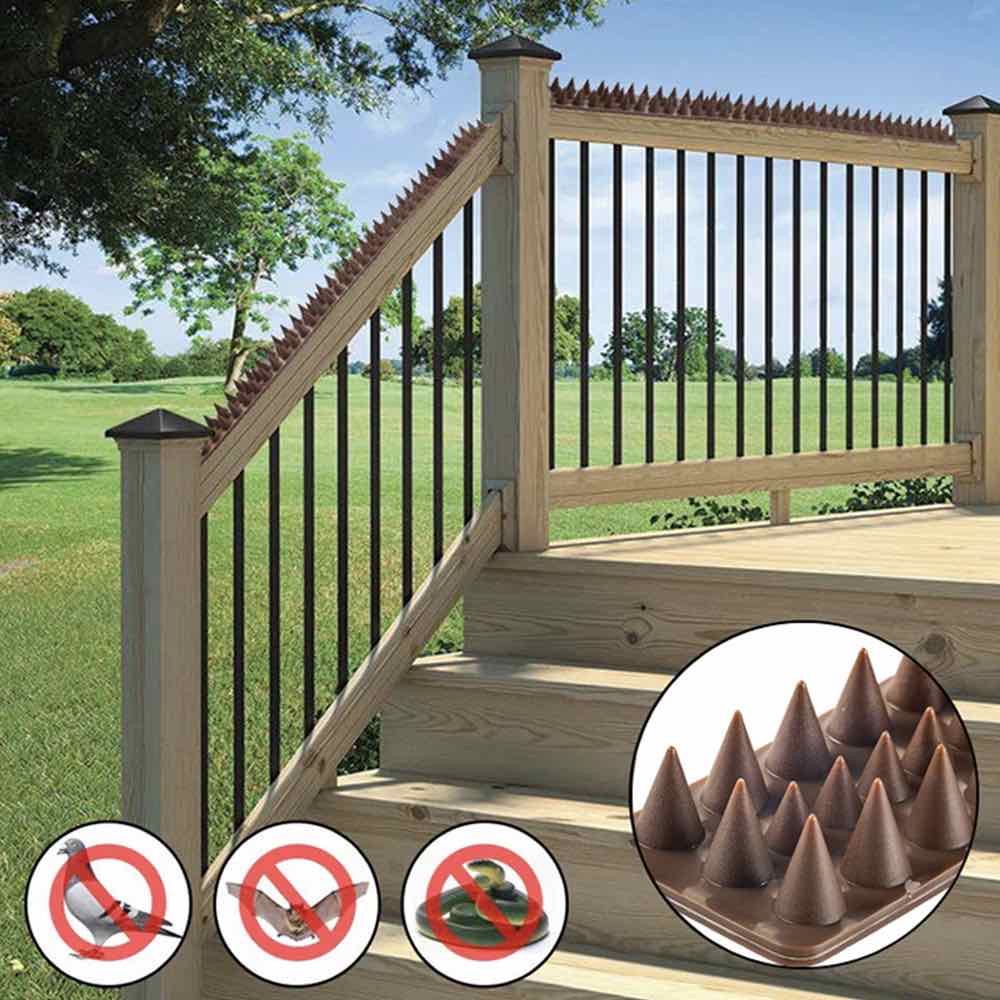
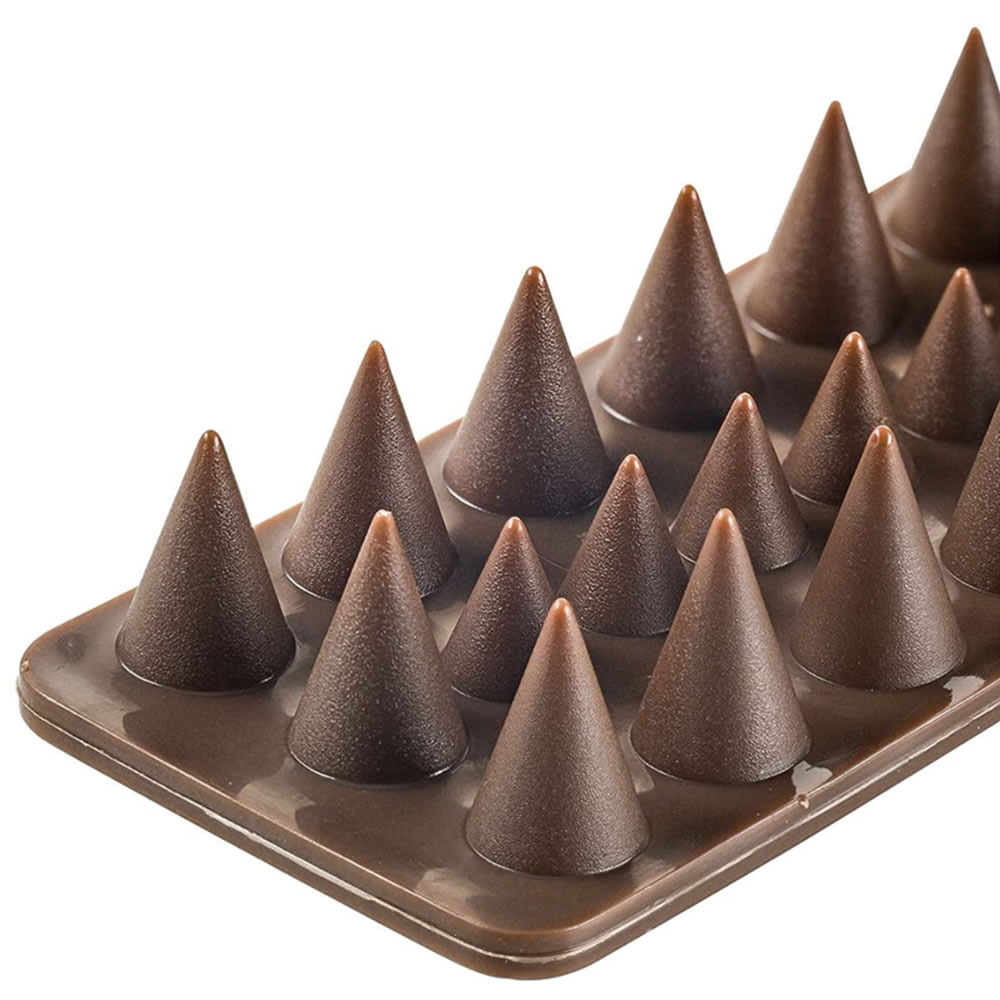
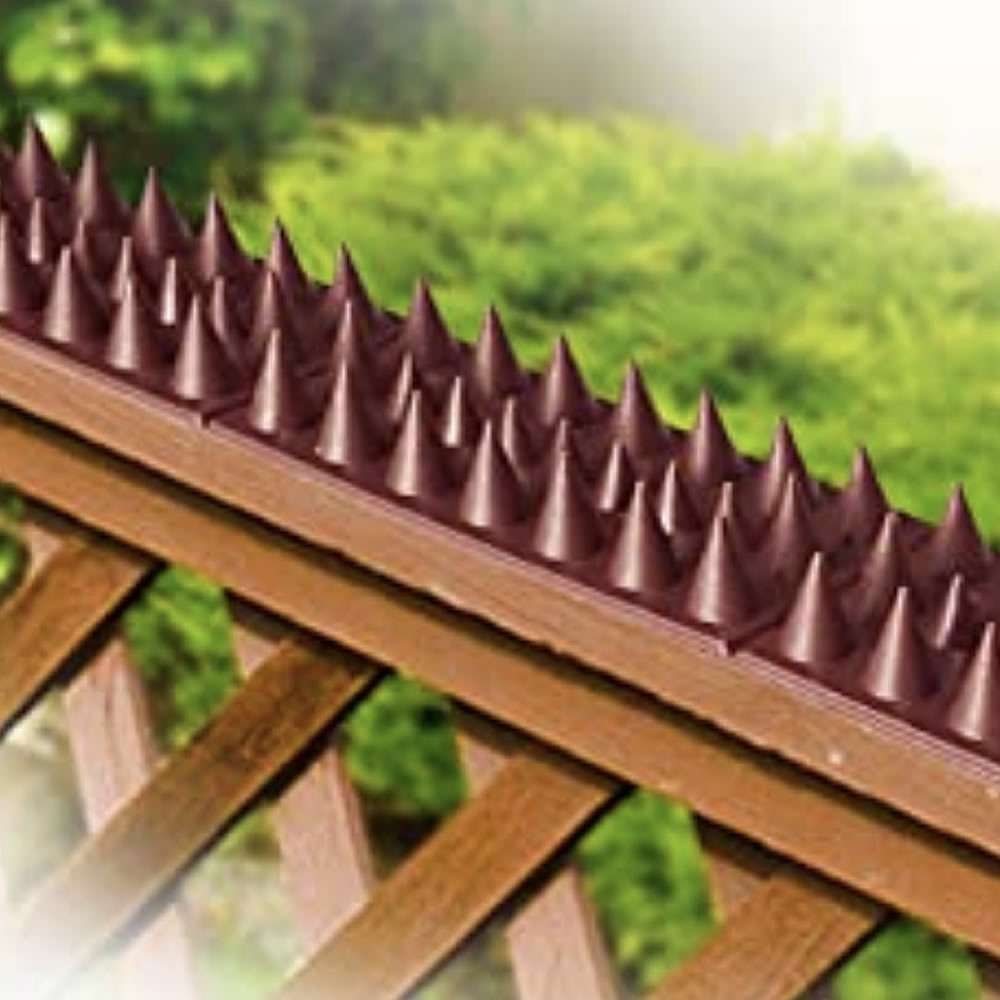
These strips were designed as anti bird fence spikes first, and they are at their best against pigeons, doves and the other medium to large birds that perch along fence lines. If you have been searching for the best fence spikes for pigeons, this blunt cone style is the type to buy, because the cones deny a landing spot without any risk of injury.
The same design happens to be just as unpopular with paws as it is with feet. Cats will not walk a spiked rail, and possums stop using the fence as their nightly commute. Plenty of customers buy these purely as fence spikes for cats or possum spikes for fence tops and never think about birds at all. If a cat or possum is your main offender, it is worth looking at our dedicated cat spikes and anti possum spikes too, and treating the fence plus whatever the animal climbs next, like the pergola or a low shed roof.
One honest note. Very small birds such as sparrows and wrens can sometimes perch between cones. For tiny species, netting or gel is the better tool. For everything pigeon-sized and up, spikes win on price and lifespan.
Measuring a Fence Run
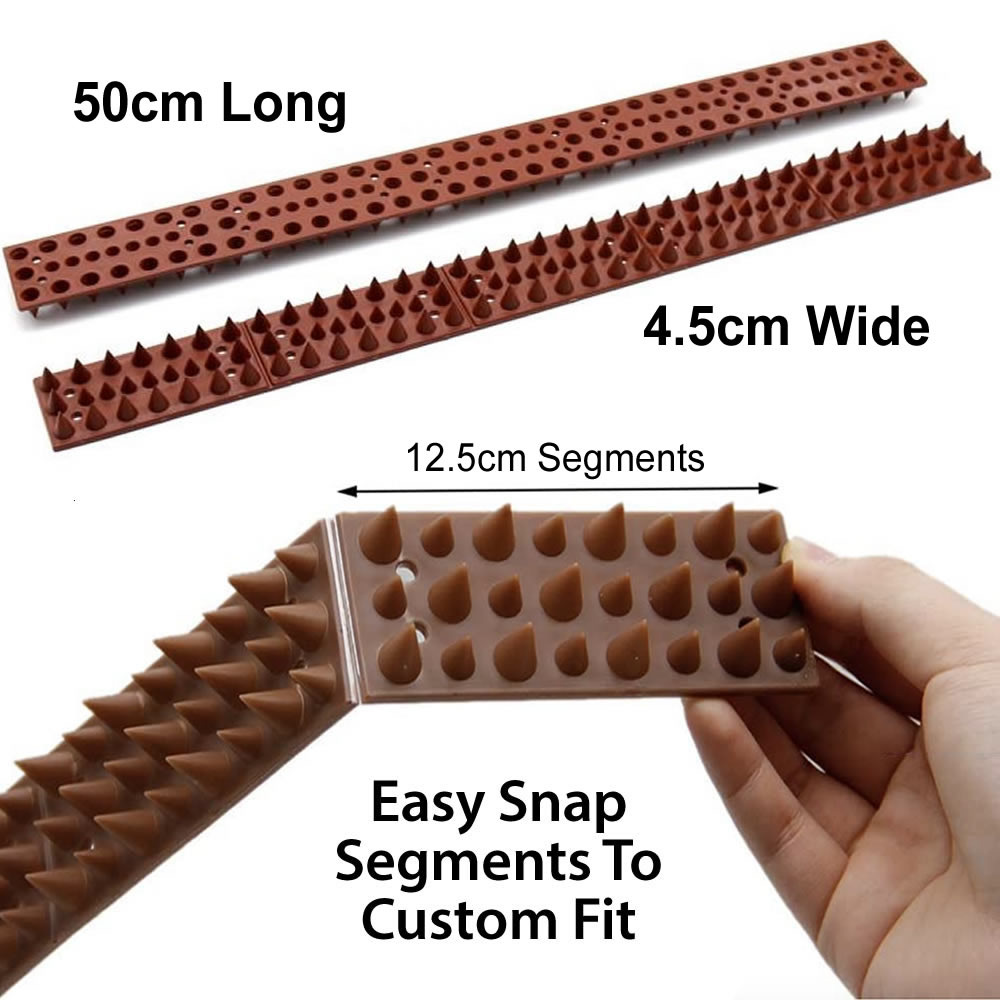
Each strip is 50 cm long, so the arithmetic is short. Measure each fence section in metres and double it. A 12 metre side fence needs 24 strips. A 1.2 metre gate top needs three, with a segment snapped off the last one.
Then add roughly ten percent. Corners eat a little length, posts interrupt runs, and it is much cheaper to have two spare strips in the shed than to pay a second delivery for one missing half metre.
Check the width of your capping as well. A single row of these 4.5 cm wide strips covers capping up to about 10 cm. Wider capping, such as the flat top of a brick or block wall, needs two rows side by side. Birds and cats are very good at finding the calm lane behind a single row, so on wide surfaces the second row is what makes the job actually work.
Finally, walk the line and look for the hotspots. Droppings, worn paint and flattened plants below the fence tell you exactly where the traffic lands. Those sections are the ones you cannot skip.
If you are measuring for several jobs at once, keep the numbers separate on paper. The gate, the side fence and the pergola each get their own count, because offcuts from one job rarely land where the next one needs them.
Fixing to Timber, Steel and Brick
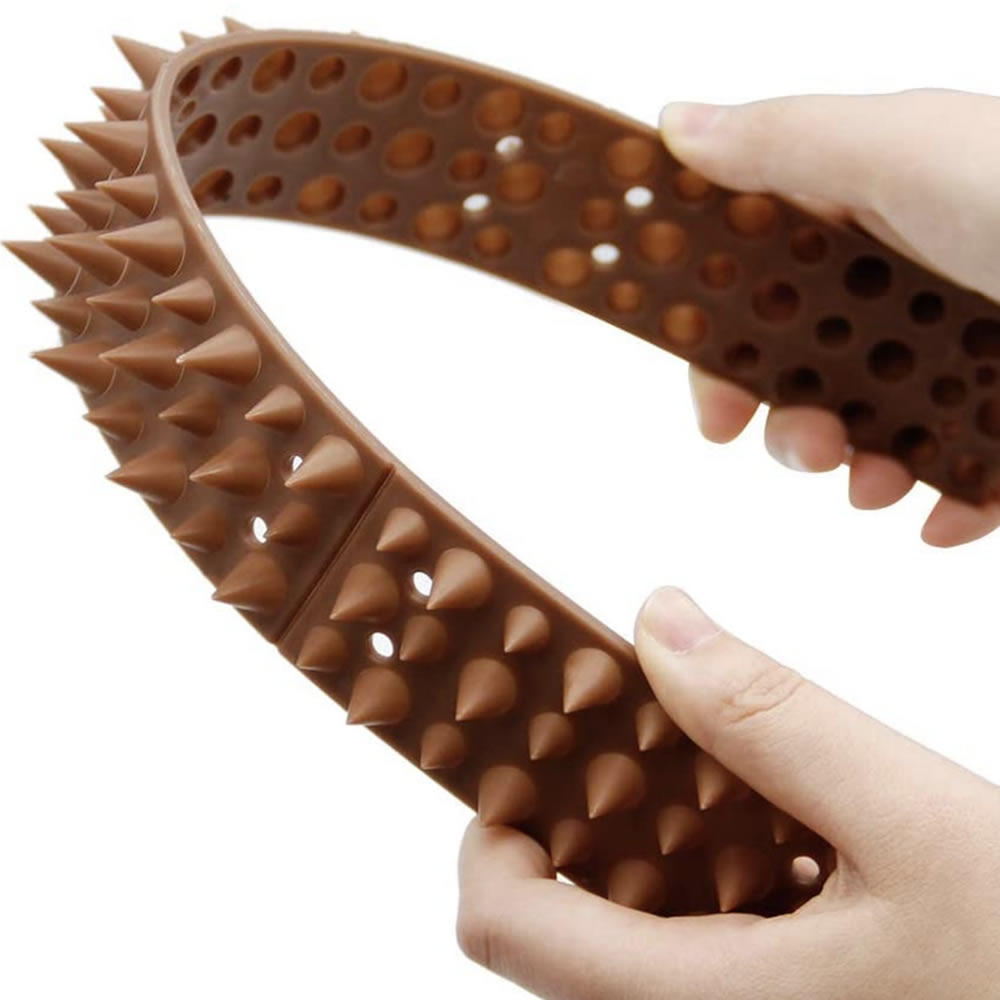
Timber fence spikes are the easiest job of the three. Each strip has moulded holes in the base plate, so you drive screws or small nails straight into the capping or top rail. Screws hold hard, resist wind and come out later if you ever change the fence. Pick short screws so the tips do not poke through thin capping, and start the holes with a small drill bit if your rail is hardwood.
Steel fence bird spikes need a different approach because nobody wants to drill their good steel fence. On steel capping, including the Colorbond fences common in Australia, run a bead of outdoor-grade adhesive along the base and press the strip on. Where the fence design gives you something to loop around, cable ties are even quicker, and they are the renter's friend because they come off without a mark.
On brick and rendered walls, outdoor adhesive is the standard fixing. If you want something mechanical, use wall plugs and screws through the base holes. Whatever the surface, clean it first. Dust, moss and old droppings will beat any adhesive, so a quick scrub and a dry surface doubles the life of the job.
Then work along the run leaving no gaps. Butt each strip against the last, and where a run ends short, snap segments off at the 12.5 cm break points by hand. Animals will find the one bare patch you leave, so finish flush at posts and corners.
Gates, Rails and Odd Spots
Spikes for gates follow the same rules with one extra thought: keep the latch and hinge areas clear so the gate still swings and locks. Snap segments make this easy, since you can fill short lengths either side of the hardware.
Round rails and balustrades take cable ties neatly through the base holes. The same approach covers bird spikes for railings on decks and balconies, and the best bird deterrent for fence rails is always the strip fixed exactly where the droppings say the birds sit. On pergolas, screw strips along the top of the beams that birds and possums use as a bridge to the house. Shed roof edges, boundary walls and even thick tree branches on the possum's route all take the same strip. Garden fence spikes on the sunny north side often solve a bird problem on their own, because that warm rail is usually the favourite perch.
Shared Fences and Neighbours
Most fences have two owners, so a quick heads-up is the right way to start. Before you fit anything to a shared boundary fence, tell your neighbour what you are planning and why. Nearly everyone says yes, because the pigeons and the possum visit their side too, and sometimes they will split the cost of the strips.
Keep the strips on your side or along the top of the capping, never facing into their yard. If you live under a strata scheme, check the by-laws before fixing anything visible from common property, and renters should clear it with the landlord or agent first. Cable ties and adhesive are the low-commitment fixings for anyone who might need to remove the strips later. None of this is difficult, it is just the order to do it in: chat first, fix second.
One more practical point. If the capping is rotten or the fence leans, sort that out before you spike it. Even the best fence capping spikes need a solid base, and a wobbly rail undoes careful work.
Humane and Legal, Always
Everything about this product is built around deterrence rather than harm. The cones are blunt, so a bird that touches down gets an awkward, uncomfortable footing and leaves. A cat gets a surprise underfoot and picks a different route. No animal is injured, which is exactly why councils, schools and heritage buildings use spike strips everywhere.
Native birds are protected by law, so the rules are worth repeating. Deter landing, never harm a bird, and never disturb an active nest with eggs or chicks. Fences rarely host nests, but if something is nesting in the hedge beside your fence line, fit the strips and leave the nest alone until the young have flown.
Aftercare
There is not much of it. Brush leaves and cobwebs off occasionally so the cones stay exposed. If droppings land on the strips during the first few weeks while the birds relearn their routes, soapy water and a soft brush brings them back. The polypropylene is made for outdoor life, so you will not be replacing brittle strips after a couple of summers, and there is nothing to rust or streak down the fence paint. If you used cable ties, glance at them once a year. Sun slowly makes ties brittle, and a cheap bag of spares keeps the whole run tight.
The Bottom Line
Measure every section, double the metres, add ten percent. Screw to timber, glue or cable-tie to steel and brick, double up on wide capping, and have the neighbourly chat before you start. Do those things once and your fence stops being the local wildlife highway.
Packs start at $13.20 per metre, with better value at 10, 20 and 30 metres, and the pigeons, the cat from next door and the possum all quietly take their business elsewhere.