
Bird Spikes Australia
Company
Shop By Category
T&Cs
Shop Online

Cat Spikes | Cat Spikes for Fences | Cat Deterrent Spike Strips

Turn your fence from cat highway into polite detour with cat spikes that never harm a paw.

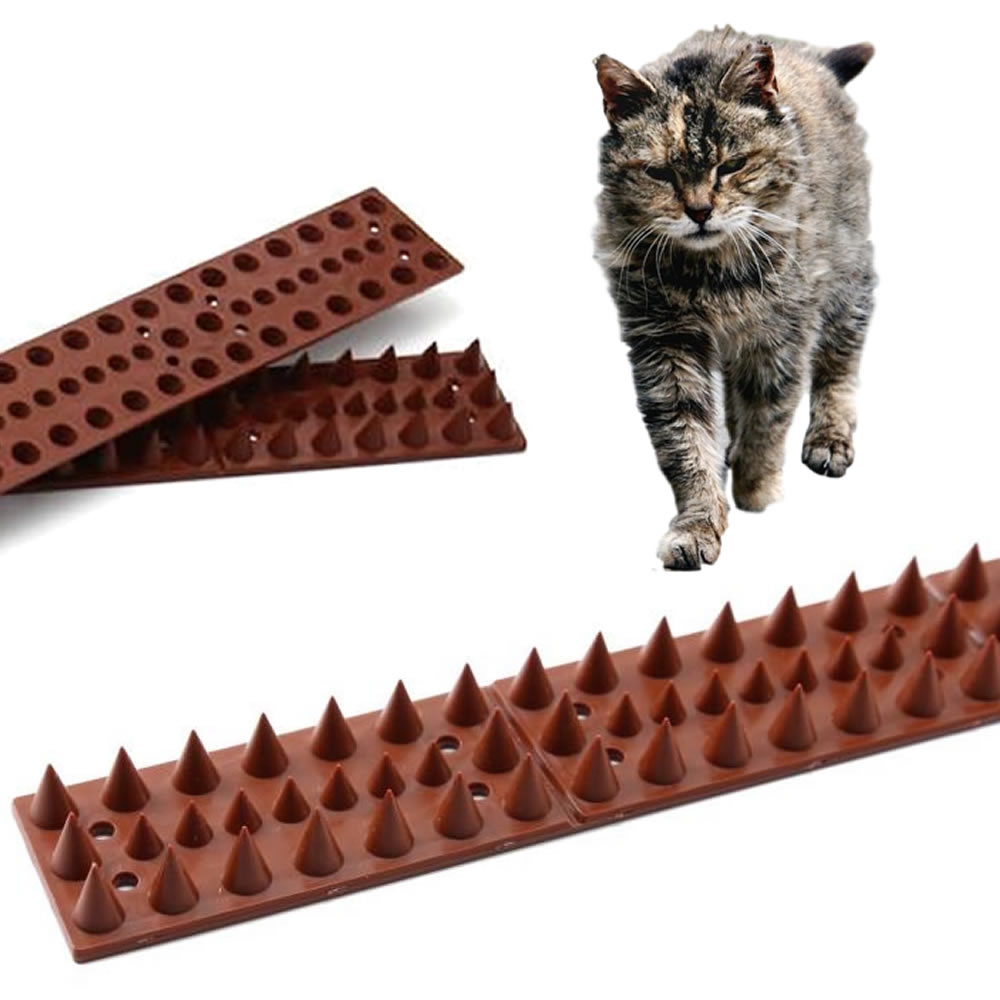
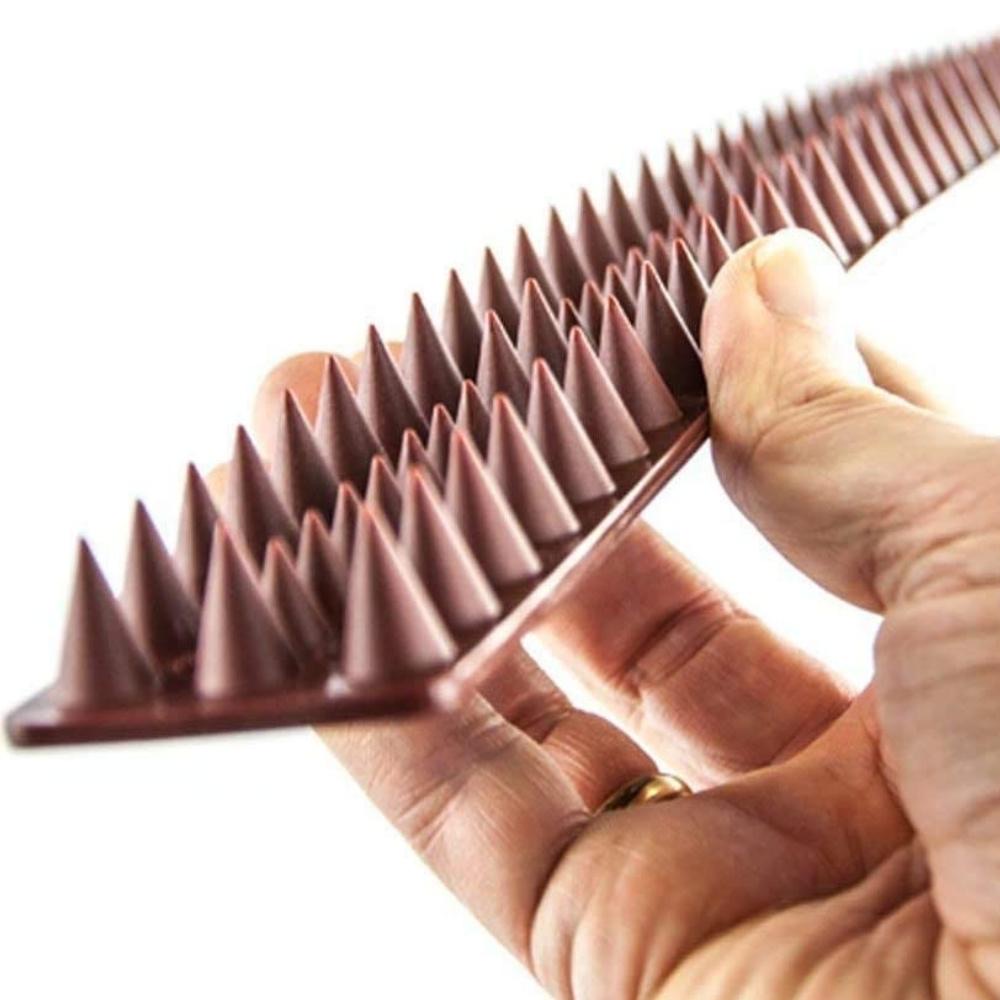
Blunt weatherproof spike strips sold per 50 cm length, so you can cat-proof a single fence panel, a gate top or the whole boundary.

$13.20 $11
Save $2.20
Fast, FREE delivery across Australia on all orders $100 or more (save $15). Orders under $100 pay a flat $15 delivery.

Cat spikes make the top of a fence uncomfortable to walk on. A cat tests the strip once with a paw, decides the footing is not worth it and quietly picks another route.

Price MatchWe want to win your business
Fast RefundOn any undelivered items
Free ShippingMinimum spend required
Easy ReturnsHassle free returns & refunds
Buy direct online
Humane & Cat SafeBlunt tips turn cats back without harm
Weatherproof PlasticPolypropylene handles sun, rain and frost
Sold Per 50 cm StripTreat one panel or the whole fence line
Easy DIY InstallScrew, glue or cable-tie in an afternoon

Cat Spikes

Cat spikes make the top of a fence uncomfortable to walk on. A cat tests the strip once with a paw, decides the footing is not worth it and quietly picks another route.

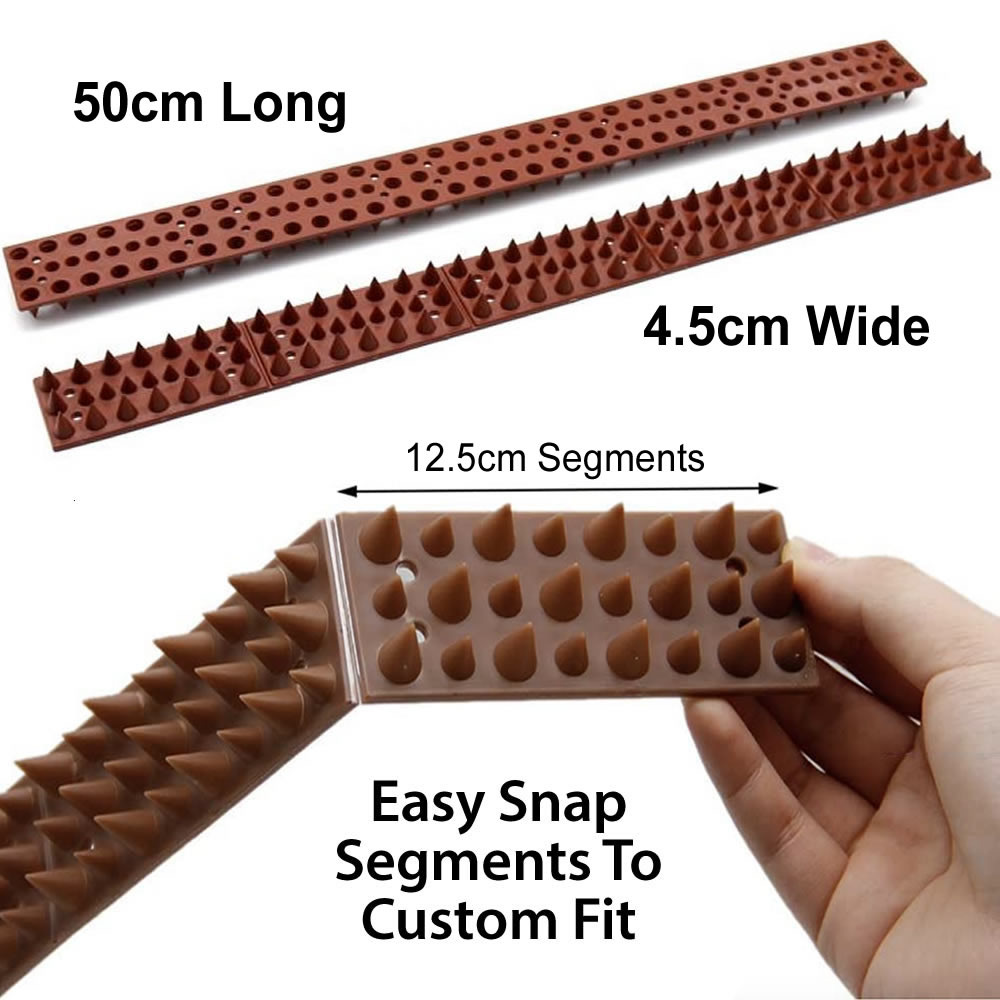
Each strip is 50 cm long and sold individually with no minimum order, so one troublesome panel or a whole boundary costs exactly what it should.

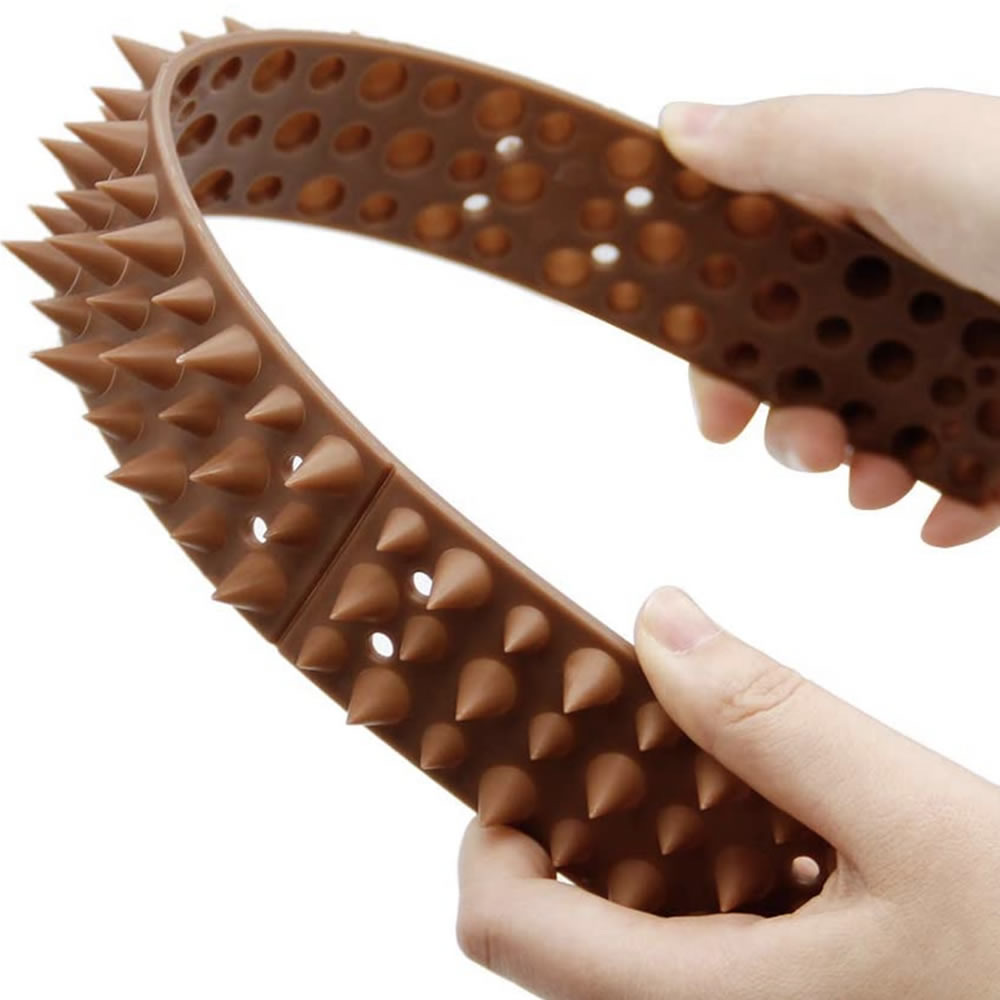
The strips are injection-moulded from weatherproof polypropylene that handles years of sun, rain and frost without going brittle.

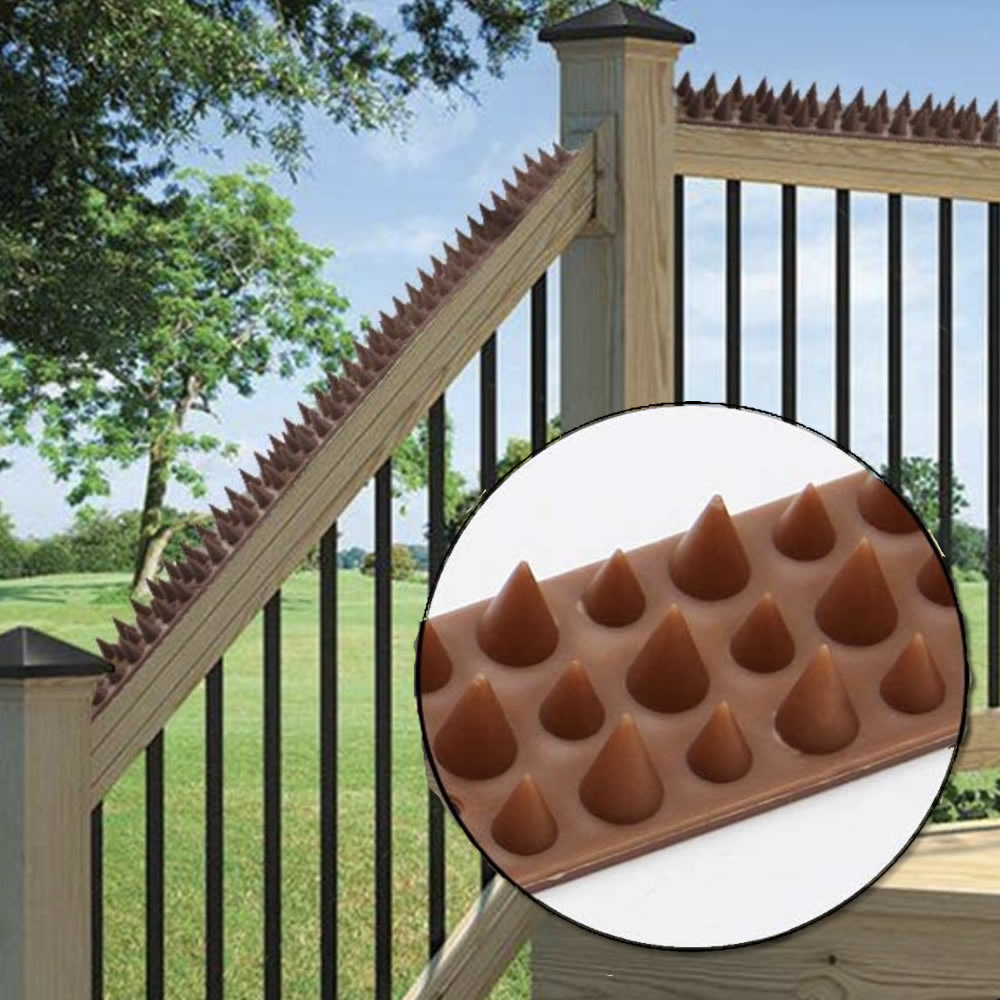
Fitting is a simple DIY job. Screw them to timber capping, glue them to brick or metal, or cable-tie them to rails and gates in an afternoon.

The tips are blunt on purpose. This is a humane deterrent that works by discomfort, never by injury, and possums and perching birds get the same message.

Specifications

Strip length50 cm
Sold asPer strip, no minimum order
MaterialWeatherproof injection-moulded polypropylene plastic
Best forCats using fence tops, wall tops, rails and gates
Also detersPossums and larger perching birds
SurfacesFence tops, boundary walls, gates, railings, sheds, pergolas and windowsills
Fixing methodsScrews, outdoor adhesive or cable ties
Animal safetyBlunt tips, uncomfortable to stand on but never harmful

Frequently Asked Questions

How do cat spikes work?

A cat walks a fence on soft paws and needs a flat, steady surface to do it. The spikes take that comfort away. The cat reaches the strip, tests it once with a paw, decides the footing is not worth it and picks another route. Nothing grabs, traps or hurts the animal.

Are cat spikes safe for cats?

Yes. The tips are blunt plastic points, not blades. They feel awkward under a paw, which is all it takes to turn a cat around. The cat steps back unharmed and remembers. Discomfort is the whole mechanism, never injury.

Will they hurt my own cat?

No. Customers of this strip family describe them as spiky enough to keep a cat off, but not so spiky that they hurt when the cat paws at them. If your own cat uses the fence to get home, leave it one clear panel or a ramp so it keeps a comfortable route.

Will they stop every cat?

No deterrent can promise that, and you should doubt any that does. What the strips do is make your fence the least comfortable path on the street. Cover the runs the cat actually uses, close the gaps, and most visitors give up after a test or two.

Do they work on possums too?

Yes. Possums dislike the footing for the same reason cats do. If possums are your main visitor, our possum spikes page covers roofs, fruit trees and launch points in detail. Plenty of customers treat one fence line for both animals at once.

Do they deter birds as well?

They do. These strips are from the same family as our bird spikes, so a run fitted for cats also stops pigeons and doves perching along that fence.

How long is each strip?

Each strip is 50 cm long. Measure the run you want to treat in metres, double the number and that is your strip count. Add a couple of spares for cuts and corners.

Is there a minimum order?

No. Strips are sold individually, so you can buy two for a gate top or forty for a whole boundary fence.

How many strips do I need for my fence?

For cats you rarely need every panel. Cover the runs the cat actually walks, the corner it jumps up at, and the panels near whatever it is heading for. If you are not sure, send a photo and rough measurements through the contact page and we will do the maths for you.

What are the spikes made of?

Weatherproof injection-moulded polypropylene plastic. It handles sun, rain and frost, nothing rusts, and there are no batteries or moving parts.

How do I fix the strips to my fence?

Screws work best on timber capping. Outdoor adhesive suits brick, render and metal. Cable ties are perfect for railings and gate frames, and they come off clean later.

Can I cut the strips to length?

Yes. The plastic base cuts cleanly with snips or a small saw, so runs finish neatly at posts, corners and gate latches.

Can I paint them to match my fence?

Yes. The plastic takes outdoor paint well, so the strips can fade into a dark fence line. Paint before you fit them for the neatest finish.

Will they stop cats digging in my garden beds?

They close the route in. Most cats drop into a veggie bed from the nearest fence run, so spike that section and the easy entrance is gone. Add rough mulch or netting on a favourite digging patch for the first week or two and the bed drops off the cat's circuit.

Can they keep cats away from my bird feeder?

Yes, by removing the stalking platform. A cat ambushes a feeder from the fence top, wall or rail beside it, so spike those perches and keep the feeder a good jump away from any untreated surface. The local birds settle again within days.

Can they keep cats off my car?

They help when the cat reaches the car from a fence or wall, which is the usual story in carports. Spike the approach route, never the car itself. Only fit strips where the cat still has a safe way down, because the aim is a cat that turns back, not one stranded above your bonnet.

Can I use them on windowsills?

Yes. A strip cut to length is a tidy way to keep cats off windowsills and ledges, and customers have used this strip family for exactly that job. Removable adhesive protects the paintwork if you may want them off later.

Do they work on gates, railings and wall tops?

All three. Cat spikes for gates run along the top rail with the latch left clear, cable ties suit round railings, and brick wall tops usually take two rows side by side because a wide top leaves a calm lane behind a single row.

Where should I place the strips for the best result?

On the exact runs the cat uses. Paw prints, snagged fur, flattened plants and your own sightings will map the route. Start at the jump-up point and cover a few metres either side, and always leave the animal a safe way down off the fence so it can retreat the way it came.

What is the fair way to handle a neighbour's cat?

Talk to the neighbour first. Most have no idea their cat is digging up your seedlings, and a short chat keeps things friendly. Fit strips only to your own fence or your side of a shared one, and check your council or strata rules before attaching anything to a boundary fence.

Can renters use them?

Yes. Use cable ties on rails and gate frames, or removable adhesive on smooth surfaces, and everything comes off clean when you move out. Ask the landlord or agent before screwing into timber.

Do cats get used to the spikes over time?

The footing never improves, so there is nothing to get used to. A bold cat may test the strip a few times in the first week, then the route comes off its map. Keep the run gap-free and the lesson sticks.

Are they safe around children and dogs?

Fitted along fence tops and rails, they sit out of reach of small hands. The tips are blunt, so a curious touch gets a surprise rather than a cut. Store spare strips away from play areas.

Do they need any maintenance?

Barely any. Brush off leaves and cobwebs now and then so the points stay clear, and wash with mild soapy water if the strips get grimy.

How long do they last outdoors?

Years. The polypropylene is UV-stable, so it does not go brittle after a couple of summers, and there is nothing mechanical to fail.

Do you deliver across Australia?

Yes, to every Australian address with a tracked courier. Delivery is free on orders over $100, with a flat $15 charge under that. A tracking link lands in your inbox as soon as your order ships.

How long does delivery take?

Most metro orders arrive within 2 to 5 working days. Regional and remote addresses can take a little longer, and busy periods can add a few days.

What payment methods can I use?

You can pay by card through Stripe or with PayPal. Both are processed securely and we never see or store your card details.

What if my order arrives damaged or faulty?

Your purchase is covered by the Australian Consumer Law. Contact us with your order number and a photo, and we will arrange a replacement or refund.

Can I return them if I change my mind?

Yes, within 14 days of delivery. Keep the strips unused and in resaleable condition with their packaging, and see our Refunds and Returns page for the simple steps.

How to Keep Cats Off Your Fence, Garden and Car: The Complete Guide

8 min read Bird Spikes Australia

Paw prints across the bonnet. Seedlings dug up overnight. A ginger shape on the fence at dawn, watching your bird feeder like it is a lunch menu. Cats are lovely animals with terrible manners, and the fence is how they get away with all of it. This guide covers how cat spikes close the fence route humanely, and how to use them around gardens, cars, feeders and windowsills without hurting a single whisker.

Why Every Cat in the Street Uses Your Fence

A fence top is a cat's ideal road. It is dry, elevated, safe from dogs and it connects every yard on the block without a paw touching the ground. Cats are habit animals. They patrol fixed routes and defend them, and once your fence joins a route, it stays on the map until something about the route changes.

The traffic itself is not the real problem. The problem is where the road leads. One stop is the soft, freshly turned soil of your veggie patch, which to a cat is a public toilet. Another is the rail beside the bird feeder. Another is your car, which holds engine warmth long into the evening. Close the road and every stop on it closes too. That is the entire logic of fitting cat spikes for fence runs instead of sprays and sonic gadgets.

How Cat Spikes Work

A cat spike strip is a row of blunt plastic points on a flat base, fixed along the top of a fence, wall or rail. It does not snap shut or shock anything. It simply ruins the footing. A cat needs a steady, comfortable surface to walk a narrow line, and the points take that comfort away.

What happens next is almost funny to watch. The cat jumps up, puts one paw on the strip, and the paw comes straight back. It studies the strip, studies the drop, and picks another route. Most cats test a strip once or twice and then remove your fence from their map.

The tips are blunt on purpose. This is the same hard plastic strip family we sell for birds and possums, and everything in it deters by discomfort, never by injury. One customer described the strips as spiky enough to keep her cat off, but not so spiky that they hurt when the cat pawed at them. That balance is exactly what the moulding is designed for, and it is why this style is the best cat repellent spikes choice for anyone who likes cats and just wants them somewhere else.

Honest Expectations

No cat deterrent turns away every cat every time, and you should be suspicious of any product that says otherwise. A timid visitor gives up at the first paw test, while a bold tom might probe the run for gaps over a few nights. So treat the whole run rather than one token panel, and close the gaps at posts and corners. Do that and the odds swing heavily your way.

Measuring Up

Each strip is 50 cm long and sold individually with no minimum order. Measure the run you want to treat in metres, double the number, and that is your strip count. Add roughly ten percent for cuts and corners.

For cats you almost never need the whole boundary. Watch for a day or two, or read the evidence. Fur snagged on a paling, prints in the dust, a worn landing spot on the capping. Cats jump up at the same points every time, so a few metres of coverage in the right places beats fifty strips spread thin.

Keeping Cats Out of the Garden

Freshly dug soil is the biggest cat magnet in any backyard, which is why seed rows and raised beds keep getting ruined. The fix comes in two layers. First, spike the fence runs beside the beds, because that is the way in. A strip along that capping is the best cat deterrent for garden beds you can fit, since it stops the visit before a paw ever reaches soil.

Second, make the bed itself less inviting while the new route sinks in. A layer of rough mulch, a few bamboo skewers between seedlings, or netting over a fresh sowing all help stop cats digging in garden beds during the changeover week. Once the fence route closes, most gardens drop off the circuit completely, because the trip now means crossing open ground with no escape line, and no cat likes those odds.

Protecting the Bird Feeder

Cats rarely catch birds in the open. They ambush, and an ambush needs a launch platform within a short pounce of the feeder. That platform is nearly always a fence top, wall or rail. Run spikes along it and the hunt stops working.

Check the geometry too. A feeder or birdbath should sit a good two metres from any surface a cat can lurk on. Spike the perches you cannot move the feeder away from, and the local birds get their nerve back within days. It is the simplest way to keep cats away from bird feeders without touching the cat at all.

Cats on Cars

Paw prints and claw marks on the duco start the same way, with a cat stepping across from a fence or wall onto the roof of the car. Carports are the classic case, since the fence often runs right beside the parking spot.

Spike the approach, never the car. Run strips along the fence or wall section within jumping range and the step-across disappears. One placement rule matters here more than anywhere else. Only fit strips where the cat still has a safe way down, because the goal is a cat that turns back the way it came, not one stranded above your bonnet hunting for the only soft landing in sight.

Windowsills, Gates and Walls

The same strips tidy up the smaller annoyances. Cut a length to keep cats off windowsills, where the neighbourhood tom likes to sit and enrage your indoor cat through the glass. Customers already use this strip family to keep cats off windows. Fit cat spikes for gates along the top rail with the latch left clear, and use cable ties on balcony railings.

Masonry deserves a note of its own. The same product works as cat deterrent spikes for walls, but a brick wall top is wider than fence capping, so run two rows side by side. A single row on a wide top leaves a calm walking lane right behind it, and cats find that lane on the first visit. The best cat spikes for fence tops and wall tops leave no comfortable lane at all.

Installing Step by Step

Start with a clean, dry surface, because dust and grime will beat any adhesive. Then match the fixing to the material. Screws hold best on timber capping. Outdoor adhesive suits brick, render, stone and metal. Cable ties wrap around rails, wire and gate frames, and they are the renter's answer since they come off without a mark.

Run the strips end to end with no gaps, and cut the last piece with snips so it finishes flush at the post. A cat will find a bare 20 cm stretch faster than you left it there. Give the jump-up point special attention, and if you want the strips to vanish, paint them to match the fence before fitting. Most fence lines are finished in an hour or two.

What About Your Own Cat?

Plenty of buyers fit anti cat spikes while owning a cat, and the two facts get along fine. Your cat learns the fence rules the same gentle way the visitors do, with a paw test and a shrug. If the fence is your cat's route home, leave one clear panel or add a small ramp so it keeps a comfortable path, and spike the runs that lead to the road or the bird feeder instead. Cat proofing a fence is about steering the traffic, not sealing the yard.

The Neighbour's Cat and Keeping the Peace

Most cat problems are really neighbour problems wearing fur, so have the chat first. Tell the neighbour what keeps getting dug up and what you plan to fit. Nearly everyone is reasonable about it, and some will split the cost, since a spiked shared fence serves both yards.

Then follow the boring rules. Fit strips to your own fence, or to your side and the top of a shared one, never facing into someone else's yard. Check council or strata rules before attaching anything to a boundary fence, because some schemes have by-laws about fixtures. Renters should clear it with the landlord or agent and stick to cable ties or removable adhesive so the job comes off clean at lease end. A humane cat deterrent that everyone agreed to beforehand is one nobody argues about later.

A Bonus for Possums and Birds

One treated fence quietly fixes three problems. Possums dislike the footing as much as cats do, so the nightly thump across the capping stops as well. Pigeons and doves lose the perch too, since these are the same strips we sell for bird control. If a possum is the main event, our possum spikes page covers roofs, fruit trees and launch points properly, and heavy bird traffic on ledges and rooflines is a job for the bird spike range.

Aftercare

Once fitted, the strips just sit there doing the work. Brush off leaves and cobwebs every few months so the points stay clear, and glance at cable ties once a year, since sun slowly makes ties brittle. The polypropylene is UV-stable, so there is no yearly replacement round and nothing to rust down the fence paint.

The Bottom Line

Find the routes, spike the runs and the jump-up points, leave a safe way down, and have the neighbourly chat before you start. That is the whole method to keep cats off a fence and everything the fence leads to. At $11 per 50 cm strip with no minimum order, closing the route costs less than one punnet of replacement seedlings, and no cat is ever hurt in the process. The parade does not end. It just moves along to a fence that has not read this guide.

Browse all bird control

Page summary

Cat Spikes from Bird Spikes Australia: humane cat deterrent spike strips made from weatherproof injection-moulded polypropylene, sold per 50 cm strip with no minimum order. The blunt tips make fence tops, wall tops, gates, railings and windowsills uncomfortable for cats to walk on, so the cat tests once with a paw and picks another route instead of reaching garden beds, bird feeders or parked cars. Deters by discomfort, never injury, and also turns back possums and perching birds. DIY fit with screws, outdoor adhesive or cable ties.