
Bird Spikes Australia
Company
Shop By Category
T&Cs
Shop Online

Hard Plastic Bird Spikes | Bird Deterrent Spikes | Plastic Pigeon Spikes

Hard Plastic Bird Spikes

Take back your ledges with hard plastic bird spikes that move pigeons on without hurting a feather.

Weatherproof injection-moulded spike strips, now priced by the metre with better value on larger property and trade packs.

From $7.70 per metre

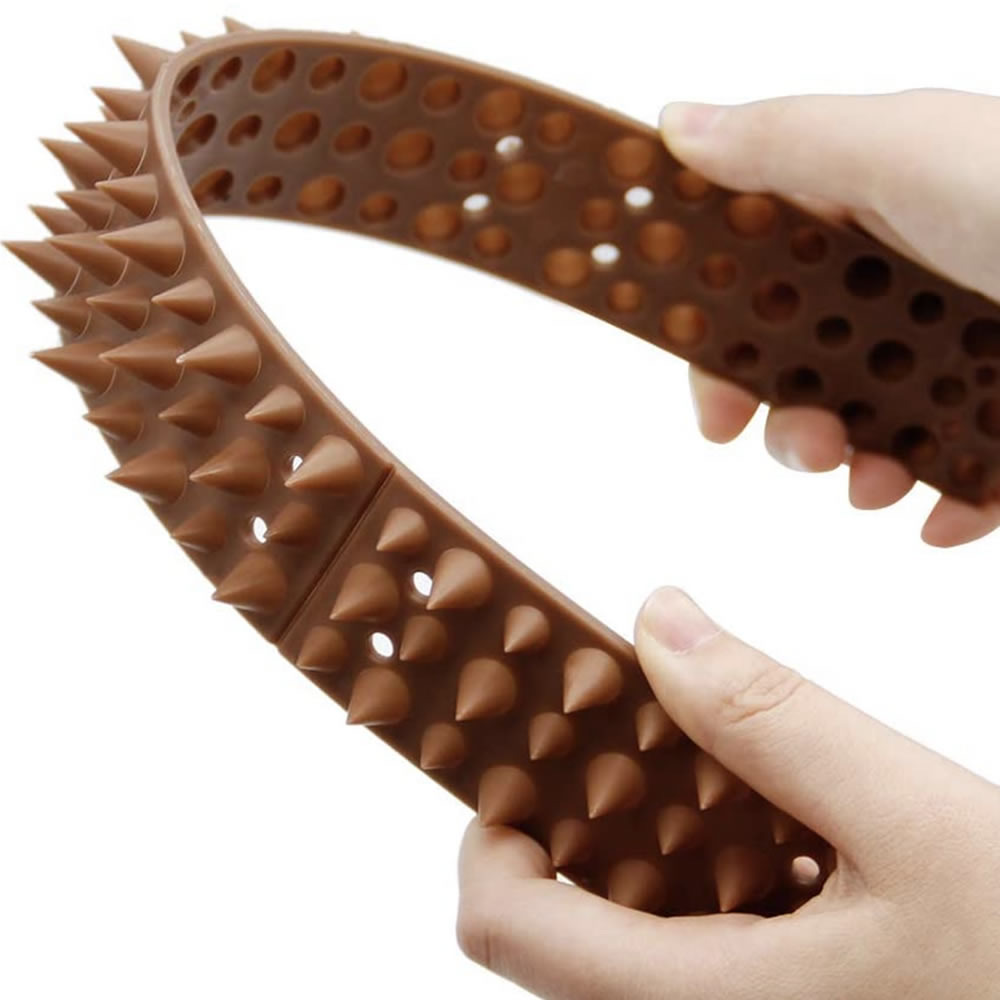
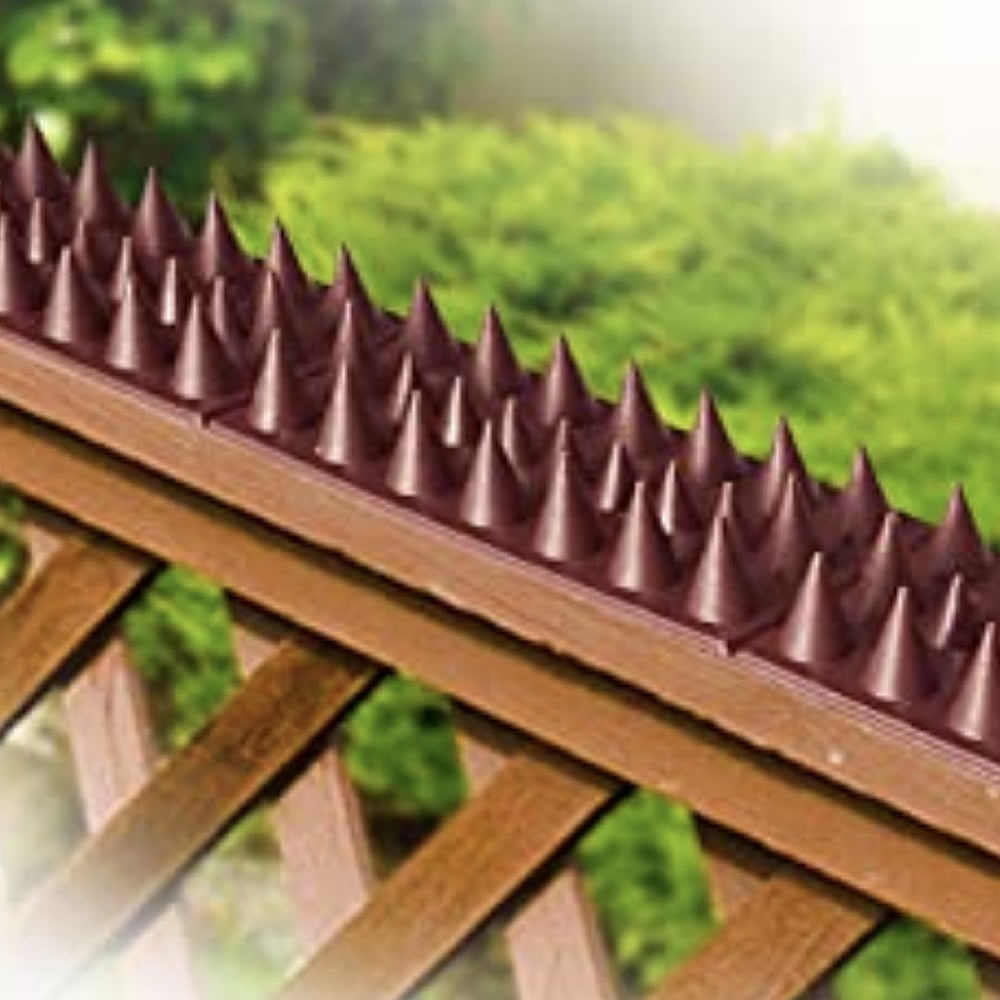
Hard plastic spike strips make ledges, fences and rooflines awkward to land on, so pigeons and other pest birds simply pick somewhere else to perch.

Material
Weatherproof injection-moulded hard acrylic plastic
Best for
Pigeons, gulls and similar perching birds
Surfaces
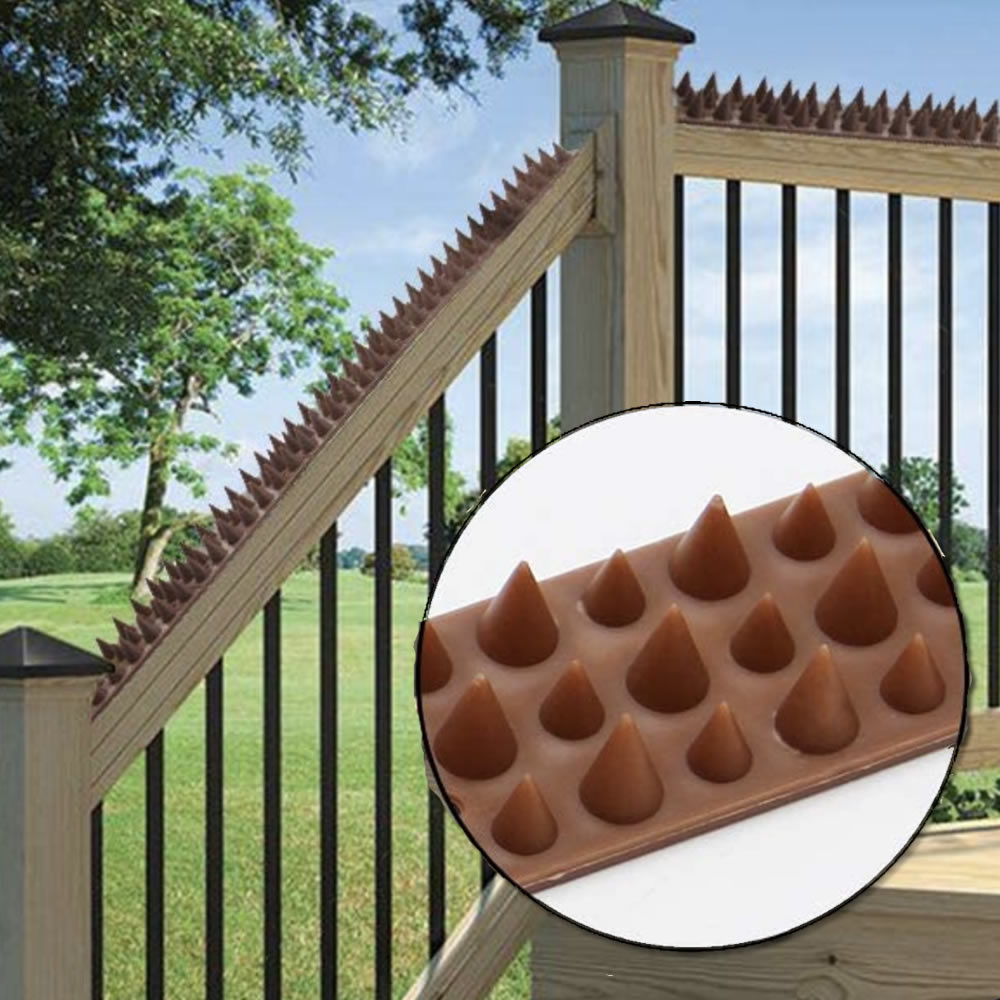
Ledges, parapets, fences, rooflines, signs, beams, railings and gutters
Also used for
Possums and cats on fences and railings
Priced by the metre. Each metre contains two 50 cm strips. Choose your pack below.
Choose your length

Price: $13.20

Fast, FREE delivery across Australia on all orders $100 or more. Orders under $100 pay a flat $15 delivery.
Price MatchWe want to win your business
Fast RefundOn any undelivered items
Free ShippingMinimum spend required
Easy ReturnsHassle free returns & refunds
Buy direct online
Humane DeterrentMoves birds on without harming them
Weatherproof PlasticInjection-moulded to handle sun, rain and heat
Better Value by the MetreSave more with 10 m, 20 m and 30 m packs
Easy DIY InstallGlue, screw or cable-tie in an afternoon

Hard Plastic Bird Spikes

Hard plastic spike strips make ledges, fences and rooflines awkward to land on, so pigeons and other pest birds simply pick somewhere else to perch.

Buy exactly 1 to 9 metres at $13.20 per metre, or choose a discounted 10 m, 20 m or 30 m pack.

The spikes are injection-moulded from weatherproof hard acrylic plastic that stands up to harsh sun, rain and coastal air.

Installation is a straightforward DIY job. Fix the strips with outdoor adhesive, screws or cable ties, and cut them to length where a run ends short.

They are a humane, non-lethal deterrent. Customers also use them along fence lines to discourage possums and cats.

Hard Plastic Bird Spikes

Birds are creatures of habit. Once a pigeon decides your parapet is home, it comes back every day and brings friends, and the mess follows. These hard plastic bird spikes break that habit by taking away the one thing a bird needs, which is a flat, comfortable place to put its feet. The bird circles, finds nowhere steady to land, and moves on to another building.

Hard Plastic Bird Spikes

The strips are injection-moulded from hard acrylic plastic that is built for outdoor life. Sun, rain and heat do not bother it, and there are no moving parts, batteries or refills. Once a strip is fixed down, it just keeps working.

Hard Plastic Bird Spikes

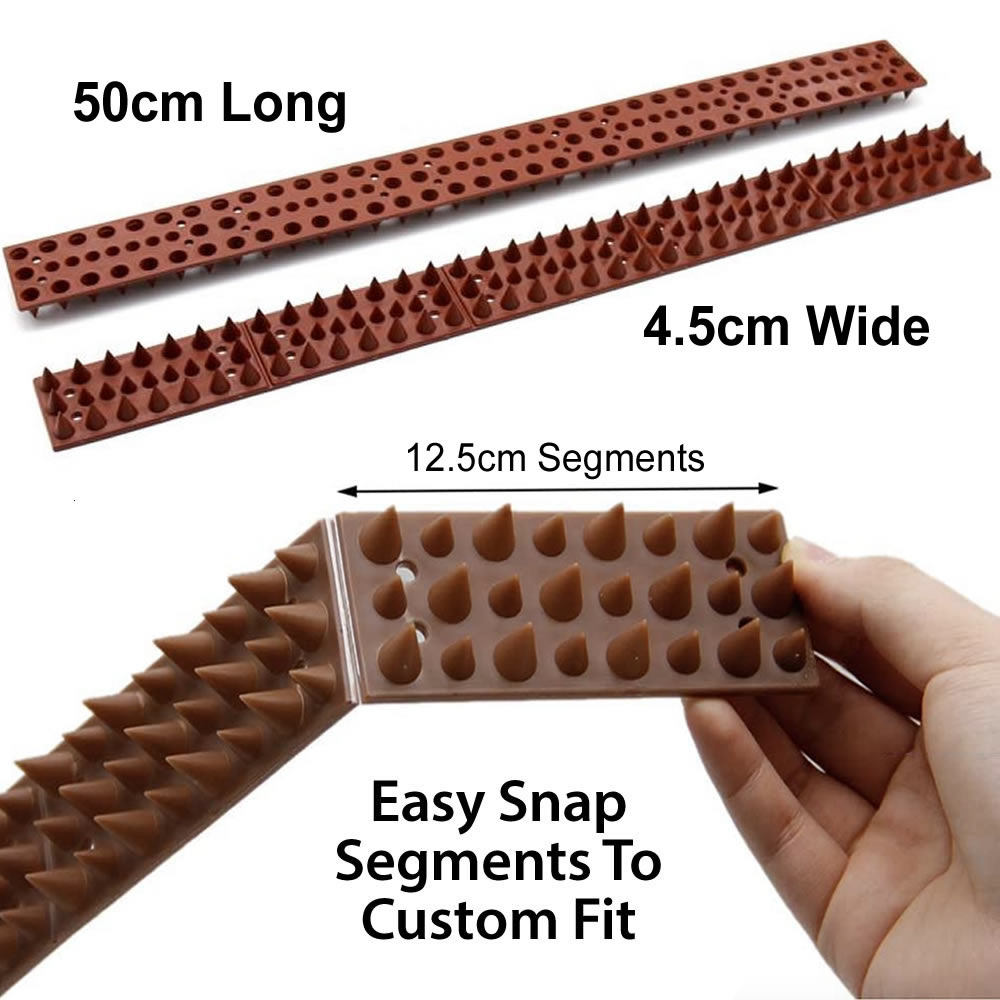
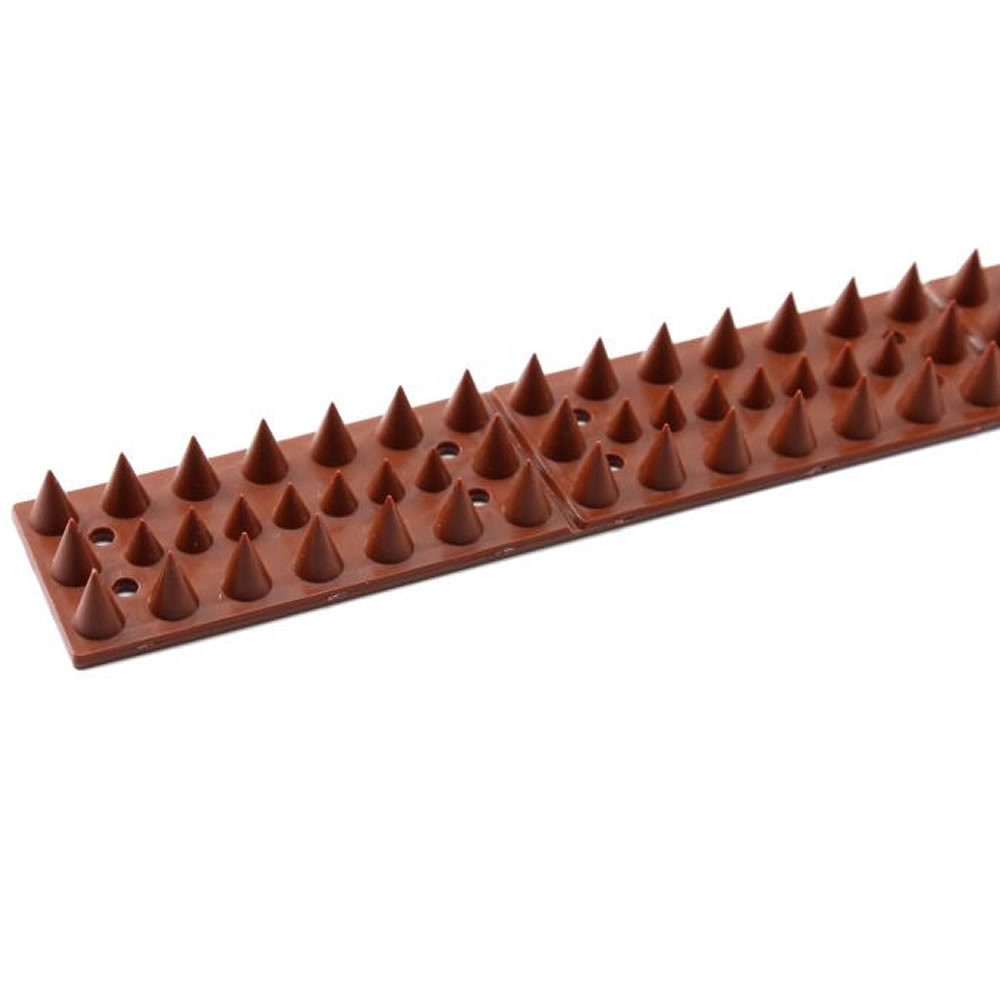
Each metre contains two 50 cm strips. Choose any length from 1 to 9 metres, or a discounted larger pack. Fitting is simple too. Clean the surface, then fix each strip with outdoor adhesive, screws or cable ties.

Hard Plastic Bird Spikes

The spikes deter without harming. They are uncomfortable to land on, not dangerous, which is why spike strips are the most widely used bird deterrent on homes, shops and heritage buildings. Plenty of our customers also run them along fence tops and railings to discourage possums and wandering cats.

Specifications

Strip length50 cm
Sold asChoose 1–9 m, or save with 10 m, 20 m and 30 m packs; two 50 cm strips per metre
MaterialWeatherproof injection-moulded hard acrylic plastic
Best forPigeons, gulls and similar perching birds
Also used forPossums and cats on fences and railings
SurfacesLedges, parapets, fences, rooflines, signs, beams, railings and gutters
Fixing methodsOutdoor adhesive, screws or cable ties
MaintenanceOccasional brush-down, wash with mild soapy water if needed
Weight0.071 kg per 50 cm strip

Frequently Asked Questions

How do plastic bird spikes work?

They take away the flat landing spot a bird needs. The spikes make the surface awkward and uncomfortable to stand on, so the bird flies on and perches somewhere else. Nothing traps or hurts the bird.

Do these spikes hurt birds?

No. They are a deterrent, not a weapon. Birds see the spikes, find nowhere steady to land, and move on unharmed. That is why spike strips are used on homes, hospitals and heritage buildings everywhere.

Which birds do they work on?

They work best on pigeons, gulls and other medium to large perching birds. Very small birds like sparrows can sometimes slip between spikes, so for tiny species a gel or netting is the better tool.

How long is each strip?

Each strip is 50 cm long. Measure your ledge or fence run, divide by 0.5, and that is how many strips you need. We recommend adding about ten percent for cuts and corners.

Is there a minimum order?

The minimum is one metre, containing two 50 cm strips. Choose any length from 1 to 9 metres, or a discounted 10 m, 20 m or 30 m pack.

What are the spikes made of?

Weatherproof injection-moulded hard acrylic plastic. It handles harsh sun, rain and coastal air, and there is nothing to rust.

How do I install them?

Clean the surface first, then fix each strip with outdoor silicone adhesive on concrete and stone, screws on timber, or cable ties on pipes and railings. Most home jobs are finished in an afternoon.

Can I cut the strips to size?

Yes. The plastic base cuts easily with snips or a small saw, so you can finish a run neatly against a wall or corner.

Will they work on my fence for possums or cats?

Many of our customers run these strips along fence tops and railings for exactly that. Reviewers mention keeping possums off fences and cats away from windows and garden beds. They deter by discomfort, not harm.

Can I use them on a roof ridge or gutter edge?

Yes. Rooflines, parapets, gutter edges and beams are classic spots. Fix them where the birds actually sit, which is usually the highest, sunniest edge.

Will they stop birds nesting under my solar panels?

Spikes along the panel edges stop perching, which helps. To fully close the sheltered gap under panels, pair them with solar mesh. Treating both perching and nesting spots gives the best result.

Are they safe around children and pets?

Used as directed, yes. The strips belong up high on ledges and fences where hands do not reach. The spikes are uncomfortable rather than sharp enough to wound, as one reviewer with a curious cat found.

Do they need any maintenance?

Very little. Brush off leaves and debris now and then so the spikes stay exposed. If droppings build up, a wash with mild soapy water brings them back.

How long do they last?

The plastic is UV-stable and weatherproof, so the strips keep working for years once fitted. There are no batteries, refills or moving parts to fail.

Can they be painted to match my building?

Yes. Hard plastic takes outdoor paint well, so you can blend the strips into a heritage facade or a coloured fascia. Paint before you install for the neatest finish.

Will birds just move along to the next ledge?

They will try. Treat every favourite perch in one go rather than one ledge at a time, and the birds give up on the whole building instead of shuffling sideways.

How many strips do I need for a wide ledge?

A single row suits ledges up to about 10 cm deep. Wider ledges need two or three parallel rows so there is no comfortable landing gap behind the front row.

Are plastic spikes as good as stainless steel?

For most home jobs, yes. Plastic costs less, blends in more, and cannot rust. Stainless steel suits very exposed commercial sites and areas with heavy gull pressure. Both deny the landing spot the same way.

Is it legal to use bird spikes in Australia?

Yes. Non-lethal deterrents like spikes are legal and widely used. Native birds are protected, so never harm a bird and avoid disturbing an active nest with eggs or chicks. Blocking an empty ledge is always fine.

What if birds are already nesting on my ledge?

If the nest is active, with eggs or chicks, wait for the young to fledge or check your state wildlife guidance first. Once the nest is empty, clean the ledge and fit the spikes so they do not return.

Do they work in coastal areas?

Yes. There is no metal to corrode, so salt air is not a problem. Coastal homes dealing with gulls may want double rows for wider coverage.

Can I use them on a rental or strata property?

Usually, but check first. Renters should ask the landlord, and apartment owners may need body corporate approval for anything visible outside. Cable-tied strips come off without leaving a mark.

Why are there spikes on the strip base in different angles?

The spikes fan outward so a bird cannot find a clean gap between them. The spread also covers more width per strip, which means fewer strips for the same ledge.

Do the spikes stop rodents too?

Spike strips are designed for birds, but customers report using them to discourage climbing pests like possums along fences and beams. For rats and mice you would still use dedicated rodent control.

Do you deliver across Australia?

Yes, to every Australian address with a tracked courier. Delivery is free on orders over $100, with a flat $15 charge under $100. You get a tracking link by email as soon as your order ships.

How long does delivery take?

Most metro orders arrive within 2 to 5 working days. Regional and remote addresses can take a little longer, and busy periods can add a few days.

What payment methods can I use?

You can pay by card through Stripe or with PayPal. Both are processed securely and we never see or store your card details.

What if my order arrives damaged?

Your purchase is covered by the Australian Consumer Law. If anything arrives faulty or damaged, contact us with your order number and a photo, and we will arrange a replacement or refund.

Can I return them if I change my mind?

Yes, within 14 days of delivery. Keep the strips unused and in resaleable condition with their packaging, and see our Refunds and Returns page for the simple steps.

Can you help me work out how many strips I need?

Happily. Send us a photo of the problem area and rough measurements through the contact page, and we will do the maths and recommend the right quantity.

How to Choose and Install Plastic Bird Spikes: The Complete Guide

7 min read Bird Spikes Australia

Pigeons on the parapet, gulls on the sign, droppings down the render. If that sounds like your place, plastic bird spikes are the simplest fix there is, and this guide covers everything you need to buy the right amount and fit them properly the first time.

Why Plastic Bird Spikes Are the Best First Move

When people search for the best bird deterrent for a home or shopfront, the answer is usually the least glamorous one. Spike strips work because they deal with the real problem. A bird does not care about your building, it cares about a flat, safe place to stand. Take that away and the bird leaves. No noise, no chemicals, no batteries, and nothing for the bird to get used to over time.

Hard plastic spikes in particular have a few things going for them. They cost less than stainless steel, they blend into the building far better, and they cannot rust or streak the paintwork. For anyone hunting the best plastic bird spikes for a house, a pergola or a fence line, an injection-moulded acrylic strip like this one is the standard choice.

Know Your Bird Before You Buy

Spikes are at their best against pigeons, doves and gulls, the medium and large birds that perch and roost on edges. If you are searching for the best bird spikes for pigeons, you are in exactly the right place, since pigeons are the number one customer for this product worldwide.

Small birds are a different story. Sparrows and swallows can sometimes tuck themselves between spikes, so if your problem is tiny birds nesting in a corner, look at gels or netting instead. And while these strips are made for birds, plenty of buyers fit them as possum spikes for fences or to keep cats off railings and window ledges. The reviews on this product tell that story: swing sets, planter beds, balconies and pergolas, all cleared with the same strips.

Measuring Up: How Many Strips Do You Need?

Each strip is 50 cm long and every metre contains two strips, so the maths is easy. Walk the property and note every spot where birds actually sit. Measure each run in metres, add about ten percent for cuts, corners and overlaps, then choose the pack that covers the run.

Check the depth of each ledge too. A single row protects a ledge up to roughly 10 cm deep. Wider ledges need two or even three parallel rows. Include every perch and allow a little extra for cuts and corners.

Where to Fit Them

The best bird spikes for ledges are the ones placed where birds actually land, which is not always where the mess ends up. Droppings fall, so look up from the stain to find the perch. The usual suspects:

Rooflines and ridge capping, parapet edges, window sills, fence tops, pergola beams, signage, security cameras, gutter edges and balcony rails. On solar panels, run spikes along the exposed edges to stop perching, and pair them with solar mesh if birds are getting into the gap underneath.

Installing Plastic Bird Spikes Step by Step

First, clean the surface. Old droppings act like a welcome mat, telling birds this spot is home, so scrub the area and let it dry. Droppings can carry bacteria, so wear gloves and a mask for this part.

Then fix the strips using whichever method suits the surface. A bead of outdoor silicone adhesive is the go-to for concrete, stone, metal and painted surfaces. Screws suit timber fences and beams. Cable ties are perfect for railings, pipes and camera mounts, and they are the renter-friendly option since they come off without a trace.

Work along the run leaving no gaps. Birds are excellent at finding the one bare corner you left, so finish rows hard against walls and cut the last strip to length rather than leaving a space. The plastic base cuts cleanly with snips.

Plastic or Stainless Steel?

Both do the same job the same way, so the choice comes down to the site. Hard plastic is the best bird spike option for most homes: cheaper, subtler, paintable, and completely rustproof, which matters near the coast. Stainless steel earns its keep on harsh commercial sites, wide gull-heavy rooftops and anywhere the strips will take a physical beating. If you are unsure, start with plastic on the main perches and see how the birds respond. In most residential cases that is the end of the problem.

Keeping Things Humane and Legal

Every product we sell deters by inconvenience, not injury, and these strips are no different. The spikes are uncomfortable to land on, not sharp enough to wound. One reviewer even chose them because they kept her cat off without hurting its paws.

Australian native birds are protected by law, so the rules are simple. Deter landing, never harm a bird, and leave an active nest alone until the chicks have fledged. Blocking an empty ledge is always fine, and it is the best time to act. Fit spikes after the birds leave and they will not move back in come spring.

Aftercare

There is not much to do once the strips are up. Brush off leaves and cobwebs occasionally so the spikes stay exposed, and wash with mild soapy water if droppings land on them during the changeover period. The plastic is UV-stable, so you will not be back up the ladder replacing brittle strips in two summers.

The Bottom Line

Match the product to the bird, measure every perch, add ten percent, and fit the strips with no gaps. Packs start at $13.20 per metre, with better per-metre value at 10, 20 and 30 metres.

Browse all bird control

Page summary

Hard Plastic Bird Spikes from Bird Spikes Australia: weatherproof humane deterrent strips available in custom 1–9 m lengths and discounted 10 m, 20 m and 30 m packs. Each metre contains two 50 cm strips. Larger packs have lower per-metre prices.