
Bird Spikes Australia
Company
Shop By Category
T&Cs
Shop Online

Bird Netting Mesh 5m x 20m | Large Bird Netting | Orchard Netting

Cover the whole row in one go with large bird netting that keeps the harvest yours from the first tree to the last.

A 5 m x 20 m knitted nylon net with a 2 cm x 2 cm mesh, UV stabilised, cut-to-size, with 40 cable ties and 10 ground stakes in the pack.

$198 $176
Save $22
Fast, FREE delivery across Australia on all orders $100 or more (save $15). Orders under $100 pay a flat $15 delivery.

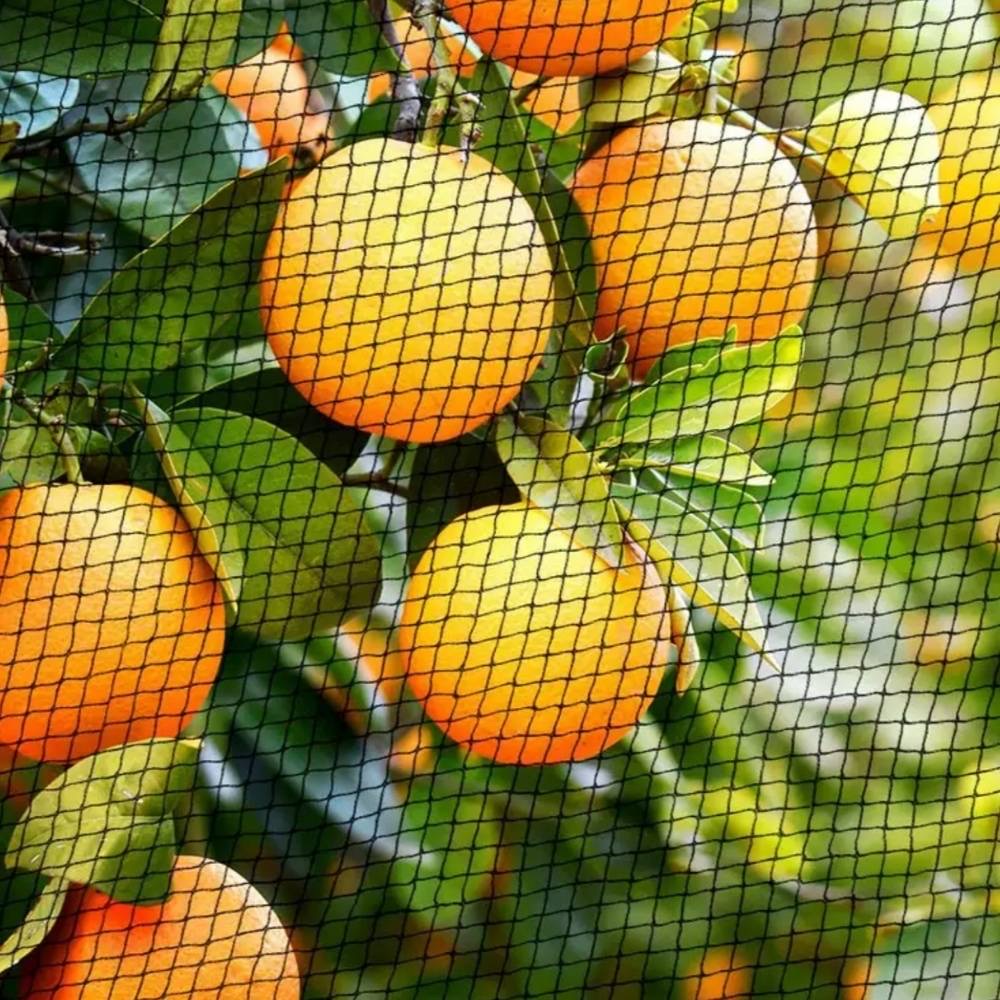
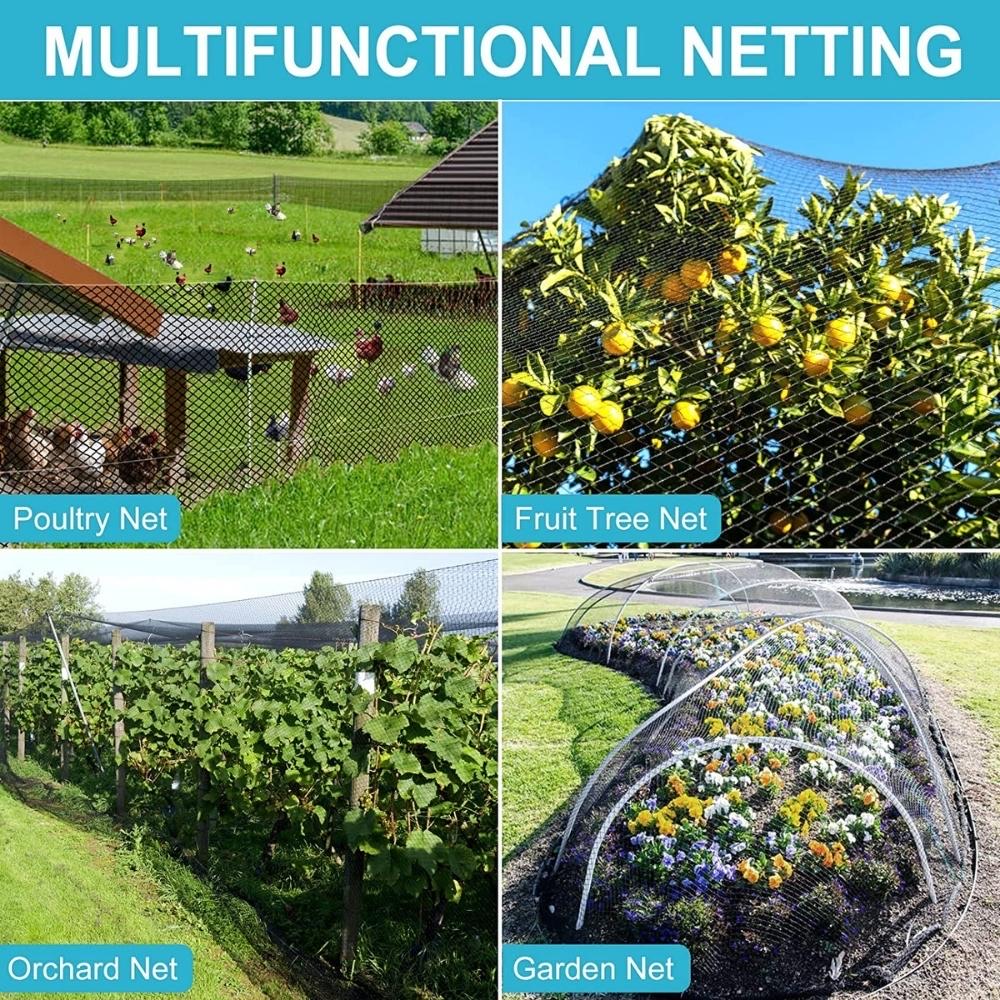
This 5 m x 20 m bird netting mesh covers orchard rows, long vegetable beds, chicken runs and big gardens in a single piece, with no joins for birds to slip through.

Price MatchWe want to win your business
Fast RefundOn any undelivered items
Free ShippingMinimum spend required
Easy ReturnsHassle free returns & refunds
Buy direct online
Humane Crop ProtectionKeeps birds off your crop without harming them
100 Square Metres of CoverOne 5 m x 20 m net spans rows, runs and big gardens
UV Stabilised NylonKnitted 30 g per square metre mesh made for outdoor seasons
Stakes and Ties Included10 ground stakes and 40 cable ties come in the pack

Bird Netting Mesh 5 m x 20 m

This 5 m x 20 m bird netting mesh covers orchard rows, long vegetable beds, chicken runs and big gardens in a single piece, with no joins for birds to slip through.

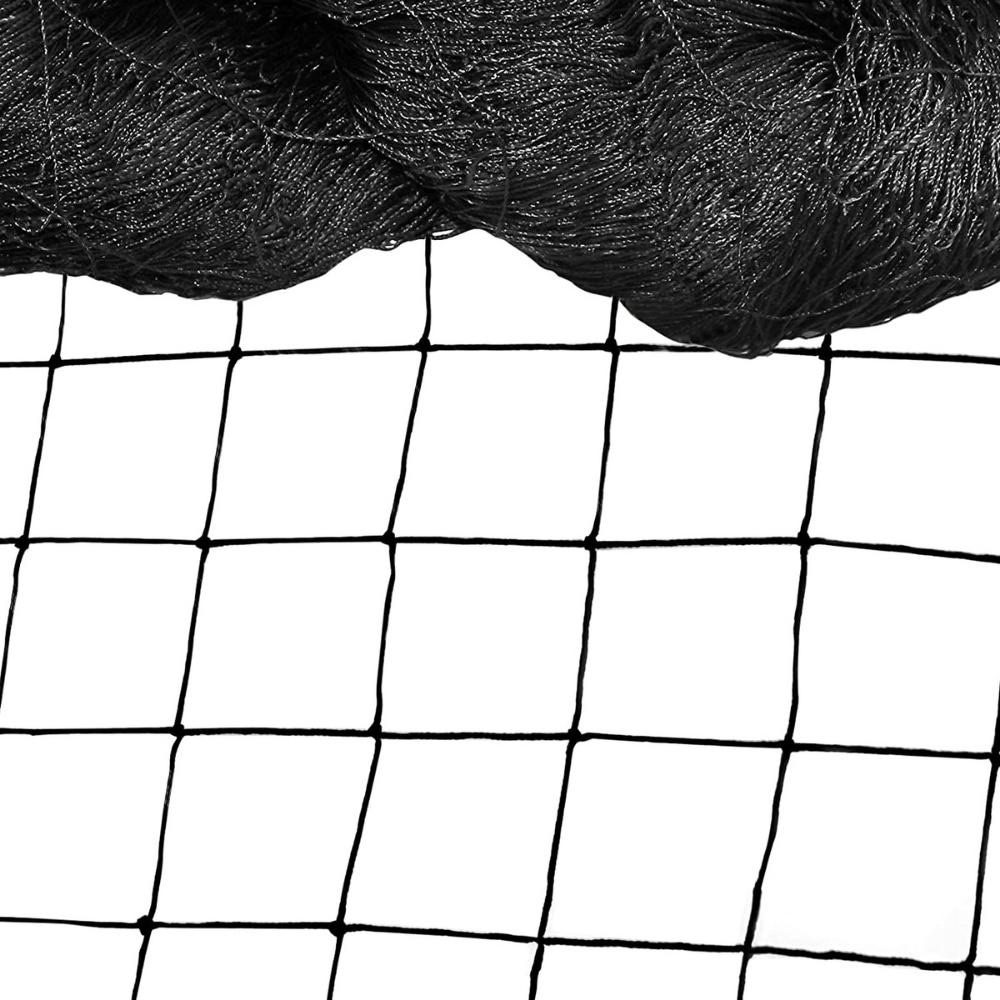
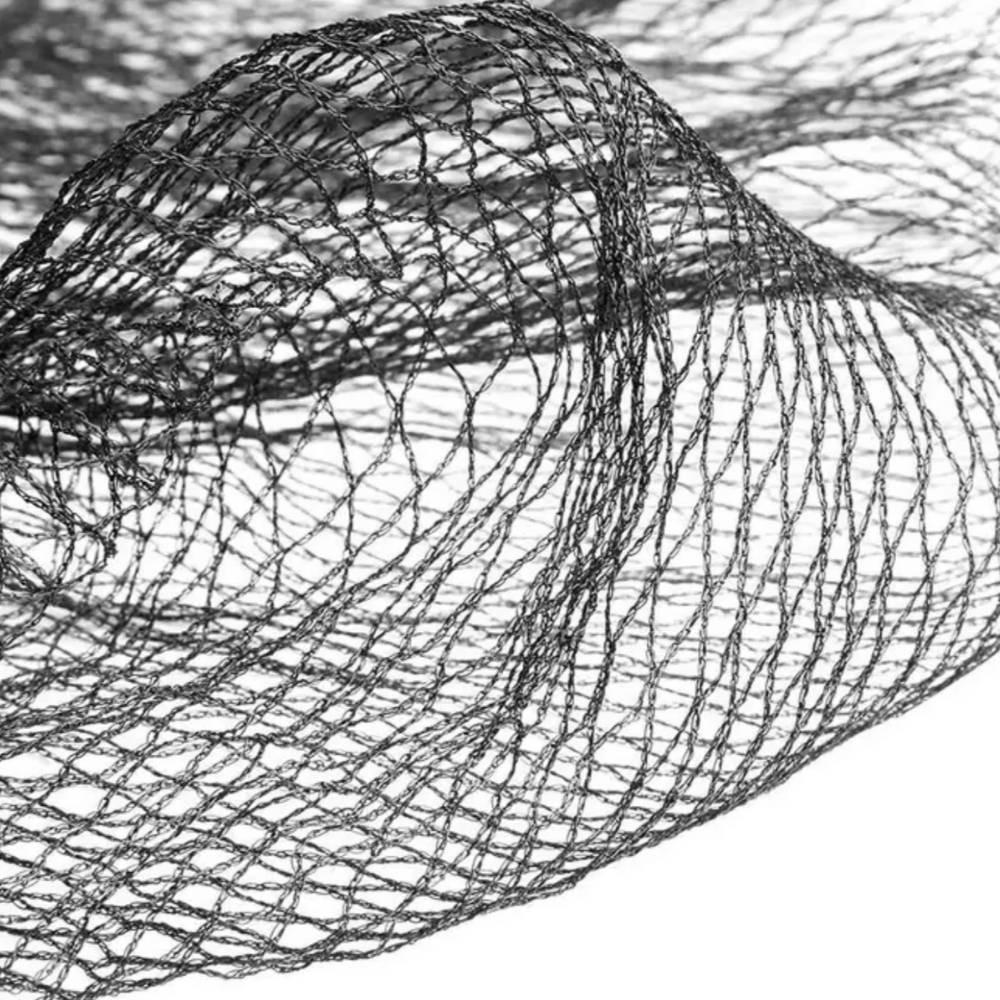
The 2 cm x 2 cm knitted mesh keeps birds off the crop while sun, air and rain pass straight through to the plants below.

It is knitted from heavy-duty UV-stabilised nylon at 30 g per square metre, made to be taken down after harvest and used again next season.

Cut it to size with scissors and it will not fray, so one large net can be split across several jobs. Corners are marked with bright strings, and 40 cable ties plus 10 ground stakes are included.

Fitted taut over a frame with the edges secured, it protects big plantings the wildlife-safe way, turning birds away without harming them.

Specifications

Net size5 m x 20 m
Mesh hole size2 cm x 2 cm
ConstructionHeavy-duty knitted nylon, 30 g per square metre
UV stabilisedYes, made for outdoor use
Cut to sizeYes, cuts cleanly and will not fray
CornersMarked with bright colour strings for easy setup
In the packNet, 40 cable ties and 10 ground stakes
ProtectsOrchard rows, fruit trees, vegetable rows, berries, ponds and chicken runs
Suitable forDomestic and commercial use

Frequently Asked Questions

What is this large bird netting used for?

Big coverage jobs. One 5 m x 20 m net spans an orchard row, a long berry trellis, several vegetable beds, a chicken run or a pond, all in a single piece. If you have been joining smaller nets together, this replaces the patchwork.

What size are the mesh holes?

The mesh is 2 cm x 2 cm. It keeps birds off the crop while letting sunlight, air and rain pass through to the plants underneath.

What is the net made of?

Heavy-duty knitted nylon at 30 g per square metre, UV stabilised for life outdoors. Knitted construction spreads load across the weave, so it resists rubbing and tearing far better than cheap extruded netting.

How much does the 5 m x 20 m size actually cover?

The net is 100 square metres, but think in up-and-over terms. Over a 2 m high frame it will run roughly 20 m along a row of dwarf fruit trees or berries, or roof a large chicken run with material left for the sides. Measure up, over and down on both axes before ordering.

Is bird netting safe for wildlife?

Fitted properly, yes. Loose, baggy netting is what entangles birds and bats, so the rule is to fit the net taut over a frame, secure every edge, and leave no slack folds. A tight net turns wildlife away at the surface instead of catching it.

Do wildlife-safe mesh rules apply to this net?

Many regions now require small mesh sizes for household fruit netting, and the rules differ between places. This net has a 2 cm x 2 cm mesh, so check your local wildlife-safe netting rules before covering backyard fruit trees, and always fit any net drum-tight with no loose material.

Should I drape the net straight over trees?

Use a frame or stakes where you can. Draped netting snags fruit and branches, is harder to harvest through, and creates the loose folds that put wildlife at risk. Over a long row, posts with poly pipe hoops or a ridge wire turn one big net into a neat tunnel.

How do I secure the edges of such a long net?

Work one side at a time. Fix the net to the frame with the included cable ties, pull the opposite side taut, then pin the bottom edges with the 10 included stakes or weigh them down along the full length. Finish by walking the whole boundary looking for gaps, because birds always find the opening you left.

What comes in the pack?

The net, 40 cable ties and 10 ground stakes. The four corners carry bright colour strings so you can square up 100 square metres of mesh without guesswork, and the net arrives neatly tied rather than tangled.

Can I cut the net to size?

Yes. It cuts cleanly with scissors and the knitted mesh will not fray, so one 5 m x 20 m net can become an orchard cover, a pond panel and a couple of bed covers with nothing wasted.

How long does the net last, and how do I store it?

The nylon is UV stabilised and built to come back season after season. Take it down after harvest, shake out the debris, dry it, and store it somewhere dark. Sunlight is what ages netting, so time in the shed between seasons stretches its working life.

Does the net block sunlight and rain?

No. The 2 cm mesh lets sun, air and water straight through, so ripening carries on as normal underneath. It changes nothing about the growing conditions, only who gets the crop.

Will it keep possums out of the orchard?

Netting helps with possums too, and with a net this size the job is all in the edges. Possums enter through gaps rather than through mesh, so close the net off at the ground or trunk on every side and re-check after windy nights.

Does it stop rabbits and other ground visitors?

Staked down firmly, it adds a useful barrier against rabbits and other small animals working at ground level. For determined diggers, weigh the bottom edge down continuously rather than pinning it at intervals.

What should I do if a bird or animal gets tangled?

Slow and calm wins. Cover the animal with a towel, support its body, and free it strand by strand, cutting the mesh if needed. If it is injured, or if it is a bat or flying fox, do not handle it yourself. Call your local wildlife rescue and keep pets away until they arrive.

How often should I check a big net like this?

Walk the row every day or two and after every storm. You are looking for slack sections, opened edges and anything caught in the mesh. On a 20 m run the walk takes a couple of minutes and saves both crop and wildlife.

Can I use it over a chicken run?

Yes, it is a popular choice for exactly that. One net roofs a big run in a single piece, keeping wild birds out of the feed and away from your flock, which also cuts the mess and disease risk they bring in.

Can I put it over a pond or dam?

Yes. Stretched tight above the surface, it keeps herons and other fish-raiders out and catches falling leaves before they foul the water. Keep it clear of the surface so it stays taut.

Will it cover grape vines and berry trellises?

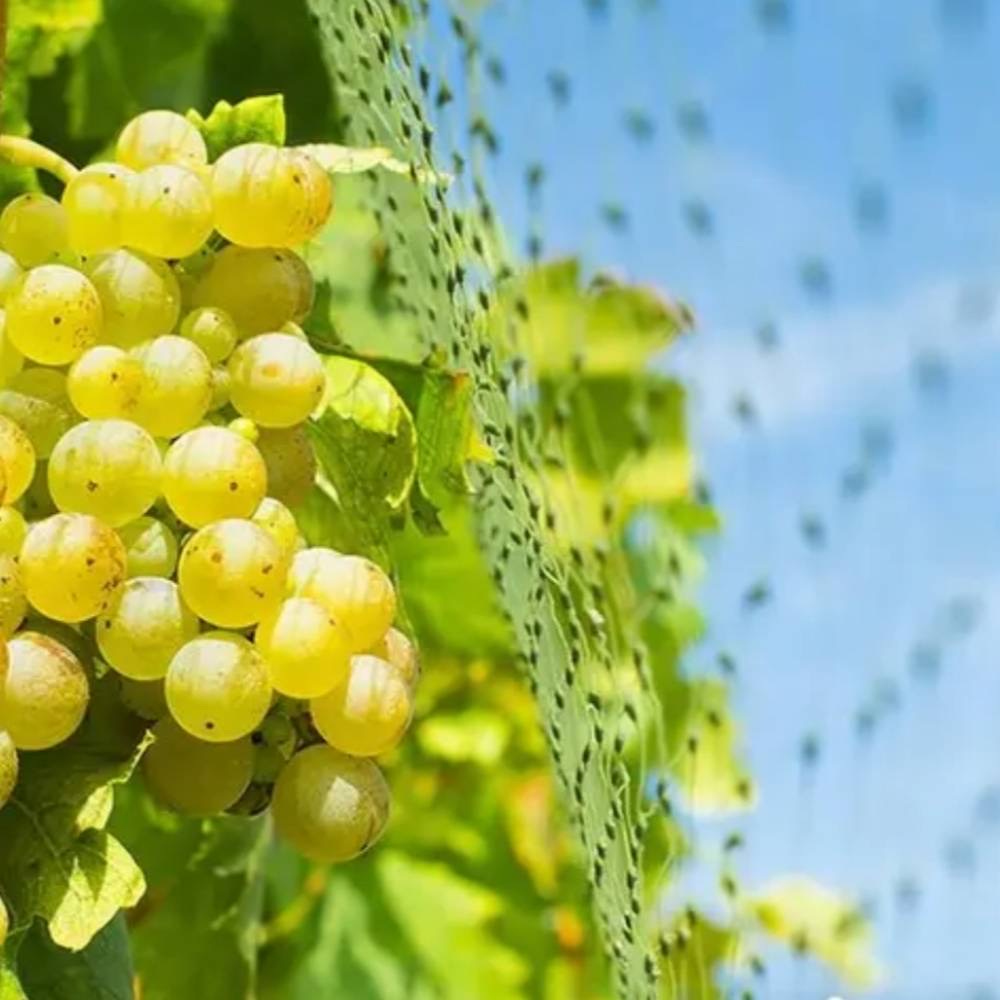
A 20 m length is well suited to vines and trellised berries. Run it along the row over a ridge wire or hoops, tie it to the trellis posts, and close both ends so birds cannot walk in from the side.

When should I net the row?

Just before the crop starts to colour, which is when birds move in. Netting too early interferes with pollinators, and netting after the first raid means you are already sharing. Watch the fruit, not the calendar.

How do I harvest with the net on?

Set up one end or edge as a door. Unhook it, pick your way along the row, then close it behind you. With the mesh held clear of the plants by a frame, harvest is no slower than working an open row.

Is it legal to use bird netting?

Yes. Netting is a standard, non-lethal way to protect crops at home and on farms. Native wildlife is protected in most places, so use the net as a barrier only, follow your local wildlife-safe netting rules, and never leave a trapped animal unattended.

How does a net this size handle wind?

The open mesh lets wind pass through instead of loading up like a sail, and knitted nylon resists tearing. After heavy weather, walk the run and re-tension any section that has worked loose.

What is the difference between the 5 m x 20 m and 5 m x 10 m nets?

Length only. Same 2 cm mesh, same knitted UV-stabilised nylon, same stakes and ties in the pack. Choose this 5 m x 20 m net for rows, runs and big gardens. The 5 m x 10 m size suits a couple of trees or a veggie patch.

Can you help me work out if this size fits my job?

Happily. Send a photo of the row, run or garden with rough measurements through the contact page, and we will do the sums and confirm whether one net covers it or how best to lay it out.

Is it suitable for commercial growers?

Yes, the netting suits both domestic and commercial use. Market gardeners and small orchards use it because one piece covers a full row and it comes down, stores and goes back up season after season.

Do you deliver, and is delivery free?

We deliver everywhere in the country with a tracked courier. Delivery is free on orders over $100, and both sizes of this net are over that mark, so delivery costs you nothing.

How long does delivery take?

Most metro orders arrive within 2 to 5 working days. Regional and remote addresses can take a little longer, and busy periods can add a few days.

What payment methods can I use?

You can pay by card through Stripe or with PayPal. Both are processed securely and we never see or store your card details.

What if my order arrives damaged, and can I return it?

Your purchase is covered by the Australian Consumer Law, so if anything arrives faulty, contact us with your order number and a photo and we will sort it out. Changed your mind? Return the net unused in its packaging within 14 days of delivery. See the Refunds and Returns page for the steps.

Orchard Netting Done Right: Covering Rows, Runs and Big Gardens With One Net

7 min read Bird Spikes Australia

Netting two trees is a chore. Netting a whole row, a chicken run and the pond with a collection of small nets is a weekend gone, and every join between nets is a gap that a bird will find before you do. That's the problem this net exists to solve. At 5 m x 20 m, one piece of mesh covers what would otherwise take three or four smaller nets, and this guide walks through planning, fitting and looking after it.

If your job is smaller, a couple of backyard trees or a single veggie patch, the same net comes in a 5 m x 10 m size and everything below still applies. But if you are staring down an orchard row, a berry trellis, a market bed or a big backyard, read on. Size is the point here.

Why One Big Net Beats a Patchwork

Bird control fails at the seams. Where two nets overlap, wind works the join open, fruit pokes through, and birds treat the gap as a front door. A single large sheet has no seams to fail. You tension it once, close the edges once, and the whole run is sealed from end to end. This is why commercial growers cover rows with continuous netting rather than tiling small pieces, and the same logic applies in a big backyard.

There is a labour saving too. One net means one setup, one set of edges to secure, one thing to check after a storm, and one bundle to fold away at the end of the season. The best large bird netting is the one you fit once and barely think about again until harvest.

And netting remains the humane option at any size. Nothing is baited or trapped. Birds arrive, find mesh where the buffet used to be, and move on to easier pickings. The crop ripens exactly as it would have, except you're the one who eats it.

Wildlife-Safe Netting Comes First

Before the frames and the measuring, the part that matters most. Netting protects wildlife or endangers it depending entirely on how it is fitted.

Loose, saggy netting is the hazard. Birds and bats push into slack folds and become entangled, and a baggy net draped straight over a tree is where that happens. A net stretched taut over a frame behaves like a wall: animals meet a firm surface and turn away. The test is simple. If you can push a hand deep into a loose fold, the net isn't tight enough.

Mesh size is regulated in some places as well. Many regions now require small mesh sizes for household fruit tree netting, and the rules are not the same everywhere. This net has a 2 cm x 2 cm mesh, so before covering backyard fruit trees, check your local wildlife-safe netting rules and make sure your plan complies where you live. Whatever the local rules say, the universal practice is the same: fit the net tight, close every edge, and check it regularly.

What You Are Working With

The net is knitted from heavy-duty nylon at 30 g per square metre. Knitted matters. Cheap extruded nets fail like perforated paper, one broken strand at a time, while a knitted weave spreads load and shrugs off rubbing against posts and branches. It is also the reason this net cuts cleanly with scissors and will not fray, which turns cut-to-size from a risk into a feature. Split the net into an orchard cover and two bed covers, and every cut edge stays intact.

The 2 cm x 2 cm mesh stops birds without changing conditions underneath. Sun, air and rain pass through, pollinators come and go, and the row ripens on schedule. The nylon is UV stabilised, which is what makes reusable bird netting genuinely reusable: stored out of the sun between seasons, the same net keeps going out year after year.

For scale, 5 m x 20 m is 100 square metres of cover. That is an orchard row, the roof and sides of a serious chicken run, a long double bed of vegetables, or the pond with plenty left over.

Measuring an Orchard Row

Netting covers an up-and-over distance, not a floor plan, so measure like a tape running over the plants. For a row of dwarf trees about 2 m tall and 2 m wide, the net needs roughly 6 m across the row to reach ground on both sides, which sits comfortably inside this net's 5 m width, and the 20 m length runs down the row itself. Taller trees eat width fast, so measure your tallest tree before assuming, and remember the net must reach the ground or the trunk line on every side.

For chicken runs, treat the net as a roof panel plus side skirts and let the run's own fencing do the vertical work. A 6 m x 15 m run, for example, sits well inside one net with skirt to spare on every side. For ponds, add a metre of margin all round so the net can be anchored clear of the water and stay tight.

A note on arrival day, because it's the question everyone asks about big nets. This one comes neatly tied in its packaging rather than stuffed in loose, and the four corners are marked with bright colour strings. Resist the urge to shake it open in the middle of the lawn. Find the corner strings first, walk two corners out to full width, and the rest follows without a fight.

If the sums say you only need half this net, that is not a problem. Cut it and bank the rest. If the sums say you need more than one net, plan the overlap at a post line where the two edges can be tied off together properly rather than left to flap.

Frames for Long Runs

Structure first, mesh second. Over a long row the classic setup is a line of posts or star pickets with poly pipe arched between them, making a tunnel the net can lie taut against. A ridge wire strung post to post works too, with the net tensioned over it like a tent fly. For trellised crops such as grape vines and berries, the trellis itself is most of the frame, and the net just needs hoops or standoffs to hold it clear of the fruit.

Fitting a big net is a calm job if you stage it. Find the four bright corner strings first and square the net up alongside the row, still folded. Lift one edge onto the frame and tie it off with the included cable ties, then unroll across, pulling as you go. Tension until the surface feels like a trampoline. Then close the edges: stake the bottom to the ground with the 10 included stakes, weigh it down along its length, or gather and tie at the end posts. The edge work decides everything, because birds and possums don't go through mesh, they go through the gap that was left for them.

Living With a Netted Row

Once the net is up and tight, the routine is a walk-past. Every day or two, and after every storm, run your eye along the surface and the edges. Tight, closed, nothing caught. Done. If an animal ever does become entangled, work slowly with a towel over it, cut the mesh where needed, and hand anything injured, and any bat or flying fox, straight to your local wildlife rescue rather than freeing it yourself.

Set up one end of the run as your door for harvest days. Unhook, walk the row with a bucket, hook it closed on the way out. Growers with chicken runs get a bonus routine: the same net that keeps wild birds off the feed also keeps droppings and disease pressure down, so the flock is cleaner for it.

Come the end of the season, take the net down rather than leaving it to cook in the sun all year. Shake it out, rinse it if needed, dry it fully, and fold it corner-strings-out into a dark shelf in the shed. That single habit is what turns one net into many seasons of crop protection netting instead of a yearly repurchase.

The Bottom Line

Big plantings do not need a pile of small nets and a prayer. They need one continuous sheet, a simple frame, honest tension and closed edges. This 5 m x 20 m net brings the size, the knitted strength and the hardware to do it in a single pass, and it comes back every season you store it well. Measure up and over, allow for the tallest tree, fit it tight, and walk the row with your coffee. The birds will manage fine on the wattle down the road, and this year the harvest is all yours.

Browse all bird control

Page summary

Bird Netting Mesh 5 m x 20 m: large bird netting for orchard rows, long vegetable beds, chicken runs, ponds and big gardens. Knitted from heavy-duty UV-stabilised nylon (30 g per square metre) with a 2 cm x 2 cm mesh, it keeps birds off crops without harming them. Cuts to size without fraying, corners marked with bright strings, pack includes 40 cable ties and 10 ground stakes. Fit it taut over a frame with edges secured for wildlife-safe use. Also sold in a smaller 5 m x 10 m size.