

Bird Spikes Australia
Company
Shop By Category
T&Cs
Shop Online

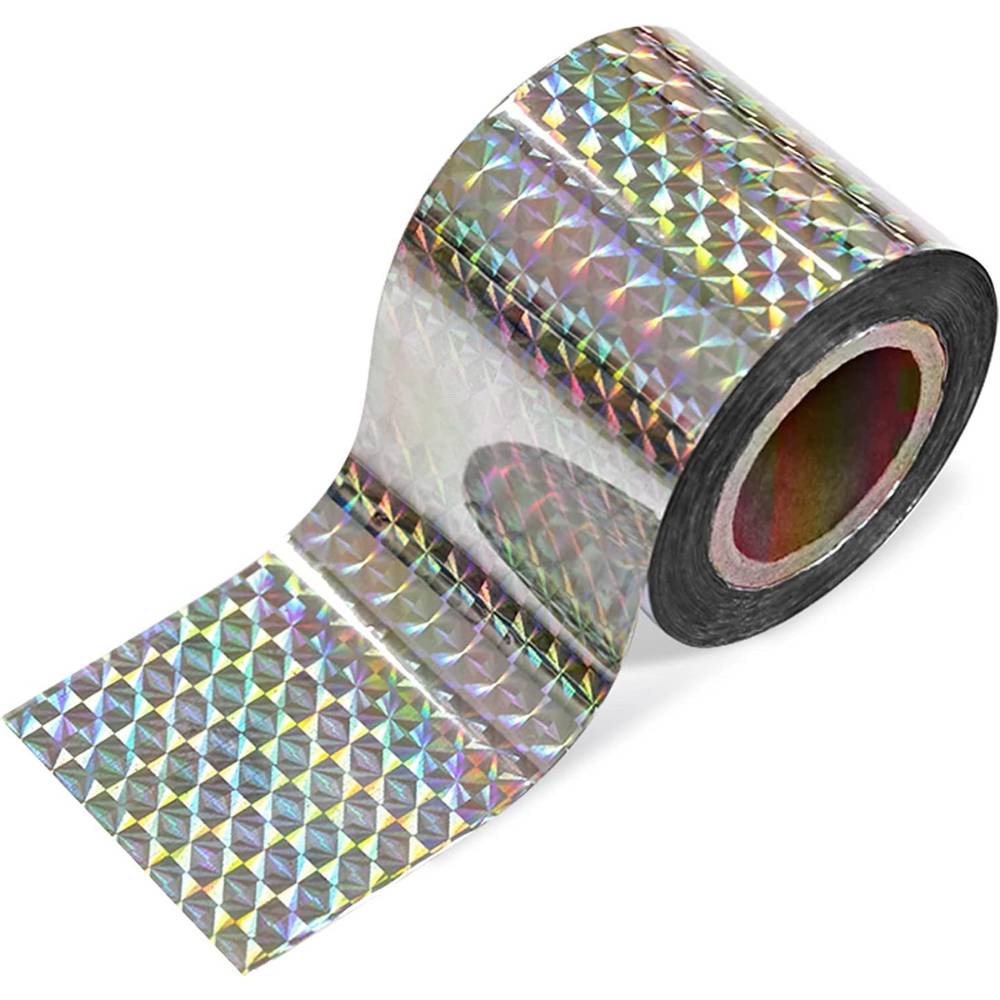
Bulk Bird Scare Tape | Bird Tape Bulk 10 Pack | Bird Flash Tape Rolls

Protect every row on the property with bulk bird scare tape at $22 a roll.

Ten 100 m rolls, a full kilometre of extra thick holographic tape for orchards, market gardens, farm sheds and commercial sites.

$330 $220
Save $110
Fast, FREE delivery across Australia on all orders $100 or more (save $15). Orders under $100 pay a flat $15 delivery.

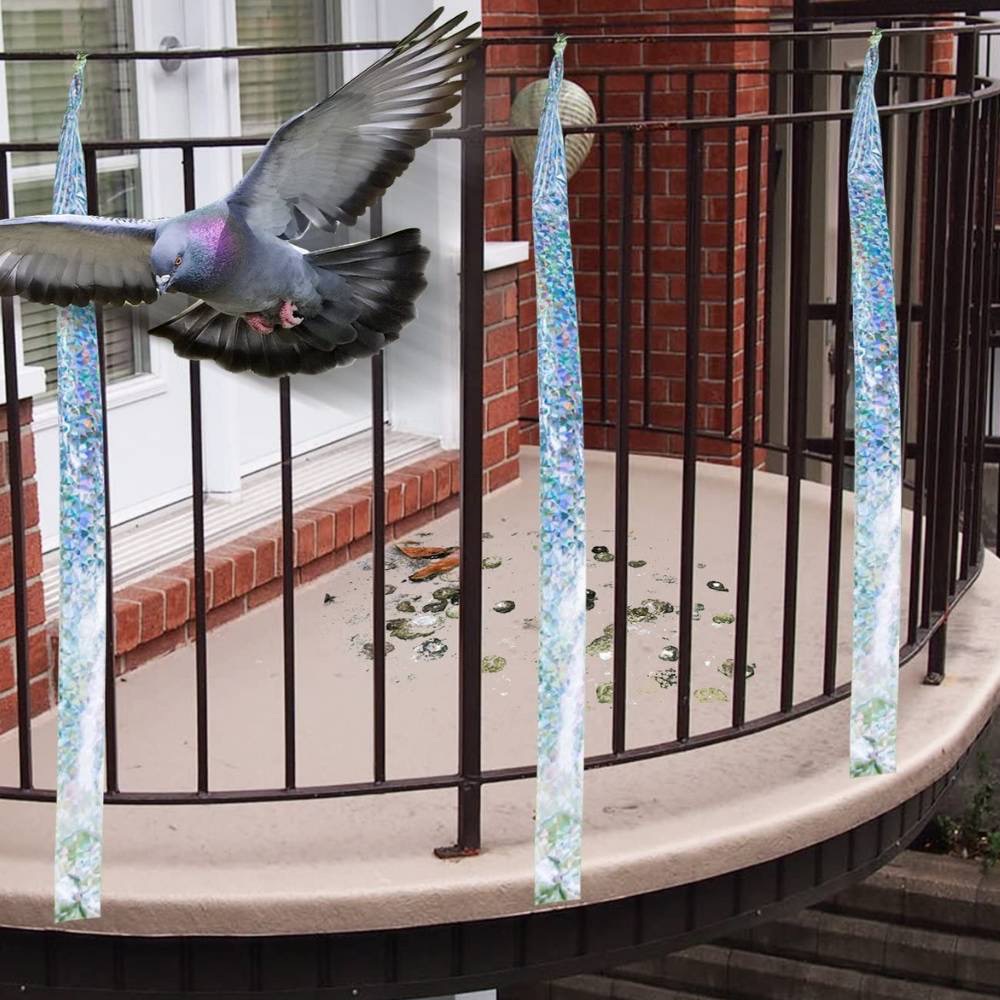
The holographic diamond film throws hard flashes of light as it twists in the breeze, and the soft metallic rustle backs it up. Birds treat both as a warning and keep their distance.

Price MatchWe want to win your business
Fast RefundOn any undelivered items
Free ShippingMinimum spend required
Easy ReturnsHassle free returns & refunds
Buy direct online
Flash and RustleSudden light and a soft crackle move birds on
Harmless to BirdsScares them away without touching them
1000 m of TapeTen rolls cover orchard rows, crops and sheds
No-Tools SetupTie, peg or staple strips in minutes

Bird Repellent Reflective Tape 10 Roll Bulk Pack

The holographic diamond film throws hard flashes of light as it twists in the breeze, and the soft metallic rustle backs it up. Birds treat both as a warning and keep their distance.

The bulk 10 pack gives you a full kilometre of tape at $22 a roll, sized for orchards, vineyards, market gardens, farm sheds and commercial rooftops.

There is no sticky side. You cut strips, give each a few twists and tie, peg or staple them wherever birds are causing damage.

Commercial growers hang the same flash-and-flutter deterrent over whole crop rows, and it scales down just as well to sheds, loading docks and carports.

An honest note, birds can get used to any scare device. Refresh and reposition strips every week or two and pair the tape with physical barriers where a flock is dug in.

Specifications

Roll length100 m
Tape width5 cm
Rolls in pack10
Total tape1000 m (1 km)
MaterialExtra thick PET holographic reflective film
PatternDiamond holographic, flashes in sunlight
Fixing methodCut, twist and tie, peg or staple. No adhesive
Best forOrchards, vineyards, market gardens, farms, warehouses and commercial sites
MaintenanceMove strips every week or two, replace tattered ones

Frequently Asked Questions

How does bird repellent tape work?

The tape is holographic film with a diamond pattern. As it moves in the breeze it throws sudden flashes of light and gives off a soft metallic rustle. Birds read that as danger and keep their distance. No chemicals or shocks. Nothing ever touches the bird.

Does bird tape really work?

It works well, with an honest caveat. The flashing and rustling startles most pest birds, and it is excellent over fruit trees, crop rows, veggie beds and boats. Birds can get used to anything though, so move the strips every week or two and pair the tape with physical barriers if a flock is dug in.

How do I hang the strips?

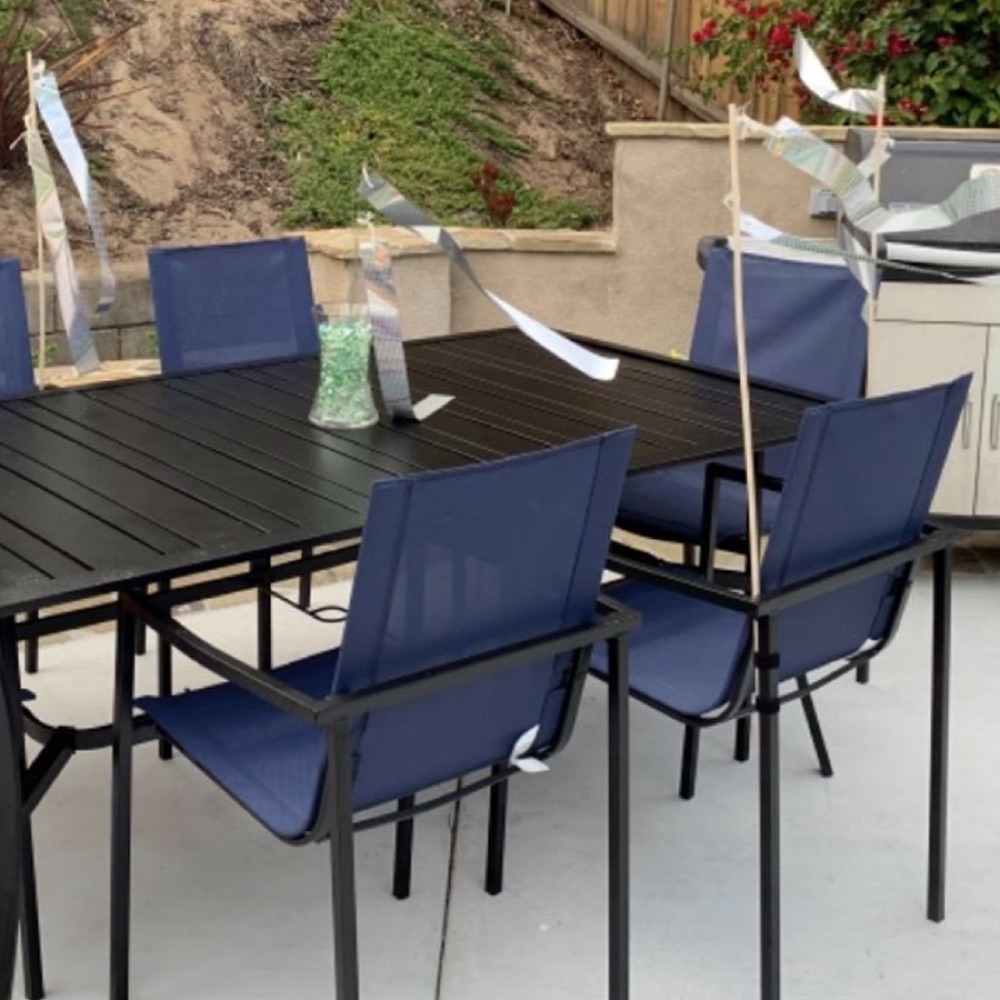
Cut strips about 30 to 60 cm long, then give each one a few twists before tying it off so both faces catch the sun and the wind. Fix them to branches, trellis wire, posts or a line with string, pegs or a staple. Leave them loose. The more a strip can spin and flutter, the better it works.

How far apart should I space the strips?

Start with a strip every 1 to 2 metres along rows and around protected areas. For a fruit tree, hang 4 to 6 strips through the canopy. If birds still sneak in, halve the spacing before you try anything else.

Which birds does the tape deter?

Reflective tape works on most common pest birds, including pigeons, starlings, sparrows, gulls, crows and many parrots. Very determined birds, like cockatoos set on a favourite fruit tree, may need tape plus netting to be turned away.

Does the tape hurt birds?

No. It scares them off with light and sound only. Nothing traps or touches the bird, which is why scare tape is standard kit for growers who need birds gone but not harmed.

Is it sticky like normal tape?

No. There is no adhesive side. It is a reflective ribbon you cut into strips and tie, peg or staple in place. That also means no residue on paint, timber or trellis when you take it down.

How far do ten rolls go?

A very long way. The pack holds 1000 m, and cutting 50 cm strips yields around 2000 of them. As a working figure, a strip every 2 metres down both sides of a row covers roughly a kilometre of planting from a single pack.

Does it need wind and sun to work?

It works best with both. Sunlight powers the flash and the breeze powers the movement and rustle. In a dead calm, shaded corner it will do less, so hang strips where they catch light and moving air.

Does it work at night?

Less than by day. The flash relies on light, so the tape does its best work in daylight, which is when most feeding damage happens anyway. For after-dark roosting problems, physical barriers like spikes work around the clock.

Can I use it on fruit trees and vines?

That is the classic use. Hang twisted strips through canopies and along trellis rows two or three weeks before the crop ripens, add more as harvest nears, and move them around so the local birds never get comfortable.

Bird tape or netting, which is better for crops?

They solve different problems. Netting is a physical barrier and the surest protection for a high-value block, but it costs far more per row and takes real labour to fit. Tape is fast, cheap per metre and covers big areas. Many growers run tape across the whole planting and net only the rows they cannot afford to share.

Can I use it in a market garden?

Yes. Run wire or string above the beds and tie twisted strips every metre or two. It keeps birds off seedlings and soft crops without sprays and without covering the beds.

Will it work on sheds and warehouses?

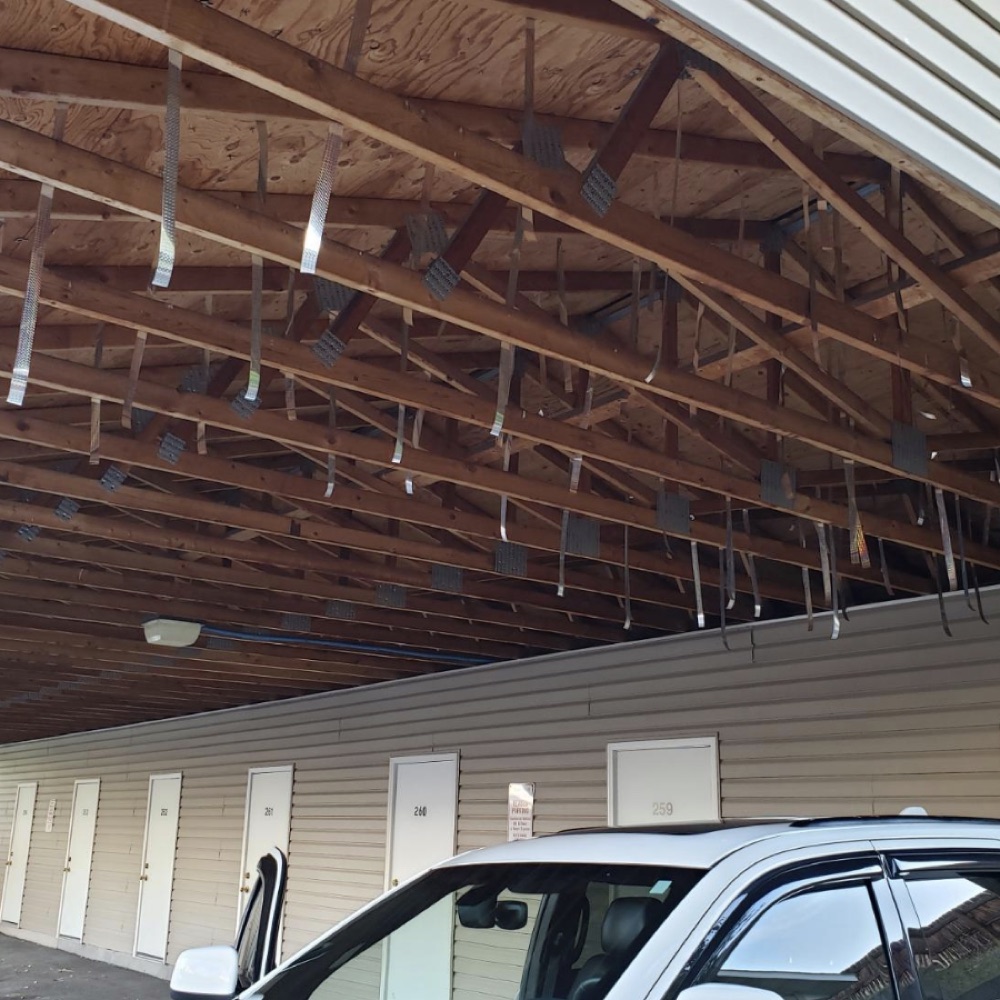
Yes. Hang strips from eaves, rafters and loading dock edges where birds fly in to roost. The moving flashes make the entry uncomfortable. For beams where pigeons already roost overnight, add spikes, because an established roost rarely shifts for tape alone.

Can I use it on boats and docks?

Yes, tape earns its keep around water. Tie strips to rails, aerials and canopy frames, and the constant movement keeps gulls from loafing on covers and pontoons. Salt spray wipes off with fresh water.

Does the tape make much noise?

It gives a soft metallic rustle in the breeze, closer to leaves than wind chimes. Workers and neighbours barely notice it, but birds pick it up clearly.

How long does the tape last outdoors?

The film is extra thick PET made for outdoor use, so it handles sun, rain and wind through a season and beyond. Strips in exposed, windy spots eventually tatter. Replacing them takes seconds and ten rolls leave plenty of spare.

Can I reuse strips?

Yes. If a strip is still shiny and in one piece, untie it and hang it somewhere new. Rotating strips between rows actually improves results, because birds are warier of things that keep changing.

How do I dispose of old tape?

Snip worn strips into short lengths, bundle them and put them in general waste. PET film is not usually accepted in kerbside recycling. Keep loose lengths out of paddocks and gardens so wildlife and stock cannot tangle in them.

Is it legal to use bird scare tape?

Yes. Scare tape is a non-lethal visual deterrent and legal to use. Native birds are protected, so the rule is simple. Scare, never harm, and leave any active nest with eggs or chicks alone until the young have flown.

Is it safe around children, pets and stock?

Yes. It is light film, not wire or blades, with no bait and no chemicals. Hang strips above head height where practical and keep loose offcuts picked up, the same housekeeping you would apply to any twine or film on site.

Will it scare away the birds I like?

It can, since the tape does not pick and choose. Hang it where the damage happens, over the crop rows and sheds, and leave dams, bird baths and habitat corners untaped so the welcome species keep their space.

Can I combine tape with spikes or netting?

That is the strongest setup. Tape unsettles birds in the air while spikes and netting deny the landing spot. Entrenched roosts almost always need a physical barrier as well, because tape alone rarely shifts a colony that has lived somewhere for years.

What if birds are already nesting?

Wait it out. If a nest is active, let the chicks fledge first and check your state's wildlife guidance. Once the nest is empty, clean up and hang tape to stop the next attempt. Tape is best used before nesting starts, not during.

What is the best time of year to put tape up?

Just before the trouble starts. For fruit and grapes, that is two to three weeks before ripening. For nesting problems, late winter before pairs pick their spot. Putting tape up for the risk period and taking it down after also keeps birds from getting used to it.

Do you deliver across Australia?

Yes, to every Australian address with a tracked courier. Delivery is free on orders over $100 and a flat $15 under that, so this 10 roll pack ships free on its own.

How long does delivery take?

Most metro orders arrive within 2 to 5 working days. Regional and remote addresses can take a little longer, and busy periods can add a few days. You get a tracking link by email as soon as your order ships.

What payment methods can I use?

You can pay by card through Stripe or with PayPal. Both are processed securely and we never see or store your card details.

What if my order arrives damaged?

Your purchase is covered by the Australian Consumer Law. If a roll arrives faulty or damaged, contact us with your order number and a photo, and we will arrange a replacement or refund.

Can I return it if I change my mind?

Yes, within 14 days of delivery. Keep the rolls unused and in resaleable condition with their packaging, and see our Refunds and Returns page for the simple steps.

Bulk Bird Scare Tape for Orchards and Farms: The Complete Guide

8 min read Bird Spikes Australia

When the birds you are fighting number in the hundreds and the ground you are defending runs to rows, not garden beds, buying scare tape one roll at a time makes no sense. This bulk bird scare tape pack puts ten 100 m rolls in the shed, a full kilometre of holographic film at $22 a roll, delivered free. It is the pack for orchards, vineyards, market gardens, machinery sheds and any commercial site where droppings and crop losses are costing real money. This guide covers how the tape works, its honest limits, and how to lay out 1000 m so it earns its keep.

How Reflective Tape Scares Birds

The tape is extra thick PET film stamped with a holographic diamond pattern, 5 cm wide. In sunlight, every twist of a hanging strip fires off hard, shifting flashes, and the breeze adds a soft metallic crackle. To a bird, that combination is wrong in all the right ways. Sudden light and an unfamiliar rustle in a spot that was quiet yesterday read as danger, and birds do not stick around to investigate danger. They give the area a wide berth and feed somewhere calmer.

The best part is that nothing needs power or your attention. Sun and wind run the whole show, which is why the method scales from a courtyard to a crop block without a single extra moving part.

Does Bird Scare Tape Actually Work?

Fair question, and the honest answer is yes, with limits worth knowing before you buy a bulk pack.

Reflective tape is genuinely effective at startling birds away from open areas. Hung over crop rows, canopies, sheds and docks, it makes birds hesitate and pick an easier feed. Commercial growers have used flash tape over plantings for decades because it protects big areas for very little money.

The limits are real too. Birds can habituate. A strip that hangs in the same spot for a month, never moving on a still day, becomes furniture. Shaded, windless corners blunt the effect, since the tape needs light and air movement to perform. And a flock that has roosted in a shed for years usually will not abandon it for flashing film alone. For entrenched roosts, use tape to unsettle and a physical barrier like spikes or netting to close the deal. Used that way, with strips rotated every week or two, tape delivers more protected metres per dollar than anything else you can hang.

Know Your Bird

Scare tape works on most of the usual suspects. Pigeons, starlings, sparrows, gulls, crows, mynas and many parrots all respond to the flash. Skittish flocking birds, the starling clouds and sparrow mobs that strip a row in a morning, are the most easily spooked, which is exactly who you want gone.

The hard cases are bold, food-driven birds. Cockatoos working a nut block or ravens on a favourite shed take more persuading, and for those spots the answer is tape through the area plus netting or spikes where the pressure concentrates.

Where the Tape Earns Its Keep

A kilometre of tape covers serious ground. The classic commercial spots:

Orchard rows and vineyard blocks, with strips twisted along trellis wire above the fruit. Market gardens, with strips on lines above the beds. Machinery sheds, hay sheds and carports, where hanging strips keep roosting birds off the beams. Loading docks and warehouse eaves, where flashes discourage the fly-in. Boats, marinas and pontoons, where gulls meet moving light at every landing spot. If the site has sun and breeze, tape can work it.

How to Hang Bird Tape Step by Step

First, cut. Strips of 30 to 60 cm are the sweet spot, long enough to flutter, short enough not to tangle in wire and machinery. Ten rolls cut at 50 cm yield around 2000 strips, so cut freely.

Second, twist. Give each strip several full twists before you tie it off. This is the step people skip, and it matters most. A twisted strip presents both faces to the sun as it spins, so it flashes in every direction and rustles with the smallest puff of wind.

Third, fix. Tie strips with string, wire, pegs or a staple to trellis wire, branches, posts, rails and rafters. Loose is good. A strip pinned flat cannot flash.

Fourth, space. Along rows, start with a strip every 2 metres and tighten to every metre where pressure is heavy. Through tree canopies, 4 to 6 strips each. Watch the birds for a few days and adjust before reaching for anything more expensive.

Height matters less than movement. A strip at trellis height in a breezy row outworks one nailed high in dead air.

Laying Out a Bulk Pack on a Working Property

Think in zones and keep a reserve. A workable split for ten rolls runs six rolls over the crop that pays the bills, two rolls on sheds, docks and outbuildings, and two rolls held back for refreshes as harvest pressure builds. At a strip every 2 metres down both sides of a row, one roll of 50 cm strips covers roughly 200 metres of row, so six rolls handle over a kilometre of planting. Put the tape up two to three weeks before the crop colours, when scouting birds first appear, and thicken coverage in the hot corners rather than spreading everything thin. The pack price matters here. At $22 a roll, re-taping a block for a new season is a minor line item, not a project.

Staying Ahead of Clever Birds

Birds notice patterns, so do not give them one. Every week or two, shift strips to new positions, swap tattered ones for fresh, and vary the layout between rows. Add extra strips just as the crop colours up, which is when the pressure peaks. After harvest, strip the tape out. Out of sight over winter means the flash lands with full force again next season. Reflective tape used in bursts stays scary for years. Reflective tape left up forever becomes part of the scenery.

Tape, Netting or Spikes?

Each tool has its job. Tape is the airspace weapon. It is cheap per metre, and a crew can cover a block in a day. It is the right first move for open ground and seasonal pressure.

Netting is certainty. A properly netted row loses no fruit, full stop, but netting costs far more and takes real labour. Net the highest value rows, and run tape across everything else.

Spikes solve a different problem, the beam, ledge or dock edge where birds sit and foul. Tape can make a roost uncomfortable, but spikes make it impossible. For a shed with an established pigeon roost, hang tape to unsettle the flock and fit spikes so there is nothing to come back to.

Weather, Lifespan and Aftercare

This is extra thick film, made to live outside. Sun, rain and coastal air do not bother PET, and strips will see out a season and usually several. The wind that makes the tape work is also what eventually wears it, so strips in exposed spots tatter first. Swap them, it takes seconds and the bulk pack means spare tape is never the constraint.

Care is simple. Wipe dusty or salt-hazed strips with fresh water to bring the shine back. Reuse any strip that is still bright by moving it to a new row. When a strip is done, snip it into short lengths, bundle it and bin it in general waste, since PET film is not usually kerbside recyclable. Keep offcuts picked up so wildlife and stock cannot tangle in them.

Keeping It Humane and Legal

Scare tape never touches the bird, which keeps a commercial operation comfortably on the right side of wildlife law. Native birds are protected across Australia, and the rules come down to two points. Deter, never harm. And if a nest is active, with eggs or chicks in it, leave it be until the young have flown, then clean up and hang your tape before the next season starts.

The Bottom Line

Cut strips, twist them well, run them along the rows and eaves where birds do damage, and rotate them every week or two. The bulk 10 pack at $220 works out to $22 a roll, ships free, and puts a kilometre of flashing, rustling deterrent between your crop and the flock, without harming a feather. The birds will find somewhere else to eat. It just will not be your rows.

Browse all bird control

Page summary

Bird Repellent Reflective Tape 10 Roll Bulk Pack from Bird Spikes Australia, ten 100 m rolls (1000 m total), 5 cm wide, at $22 a roll. Extra thick PET holographic film that flashes in sunlight and rustles in wind to scare pigeons, starlings, sparrows, gulls and other pest birds away from orchards, vineyards, market gardens, farms, sheds and commercial sites. Non-adhesive, cut into strips, twist and tie to trellis wire, branches and beams. Humane and non-contact. Birds can habituate, so strips should be moved every week or two and combined with physical barriers for entrenched roosts.