

The complete guide
Bird Deterrent Tape for the Whole Garden: The Complete Guide
One roll of scare tape protects a corner of the garden. A bird deterrent tape multi pack protects the lot at the same time, which is exactly what you want, because birds chased off one tree simply try the next one. With three 100 m rolls at $27.50 each, you can hang flashing strips over every fruit tree, veggie bed and railing in a single afternoon and take the whole property off the menu at once. This guide covers how the tape works, its honest limits, and the smartest way to spread 300 m across a block or an orchard row.
How Reflective Tape Scares Birds
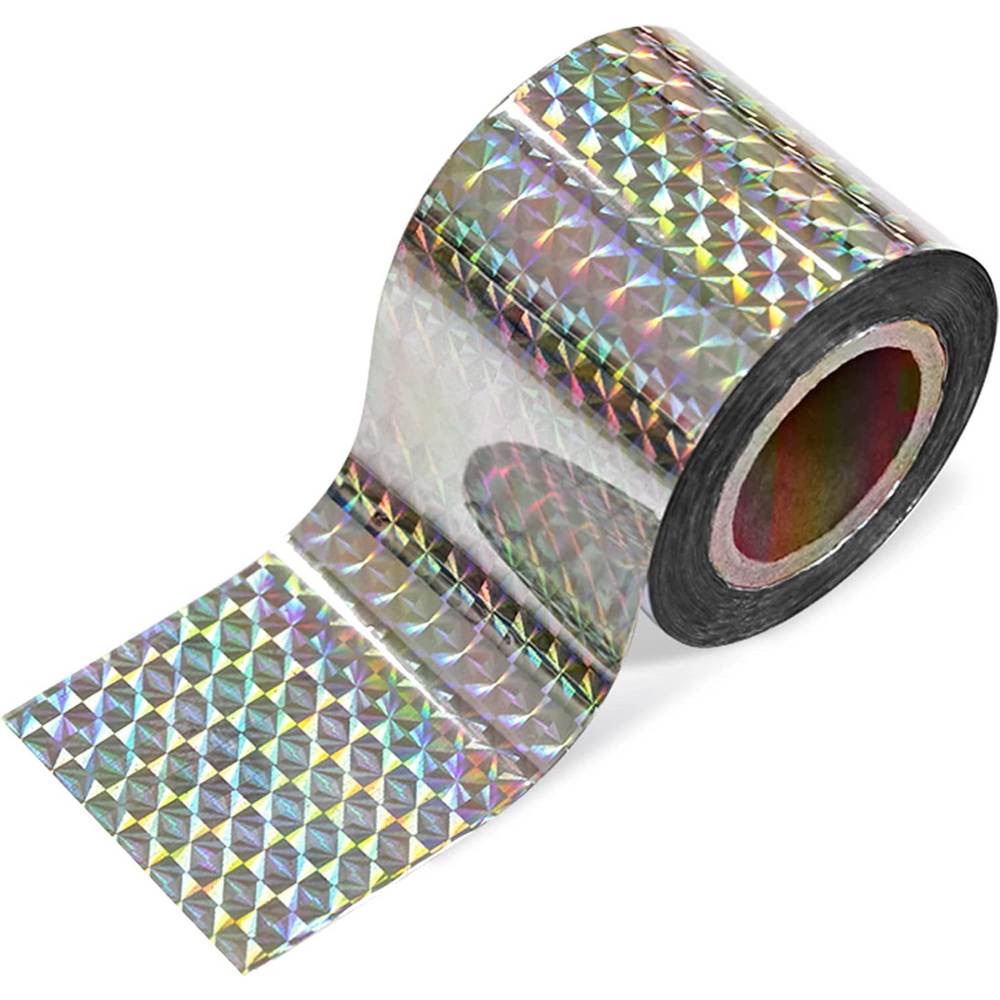
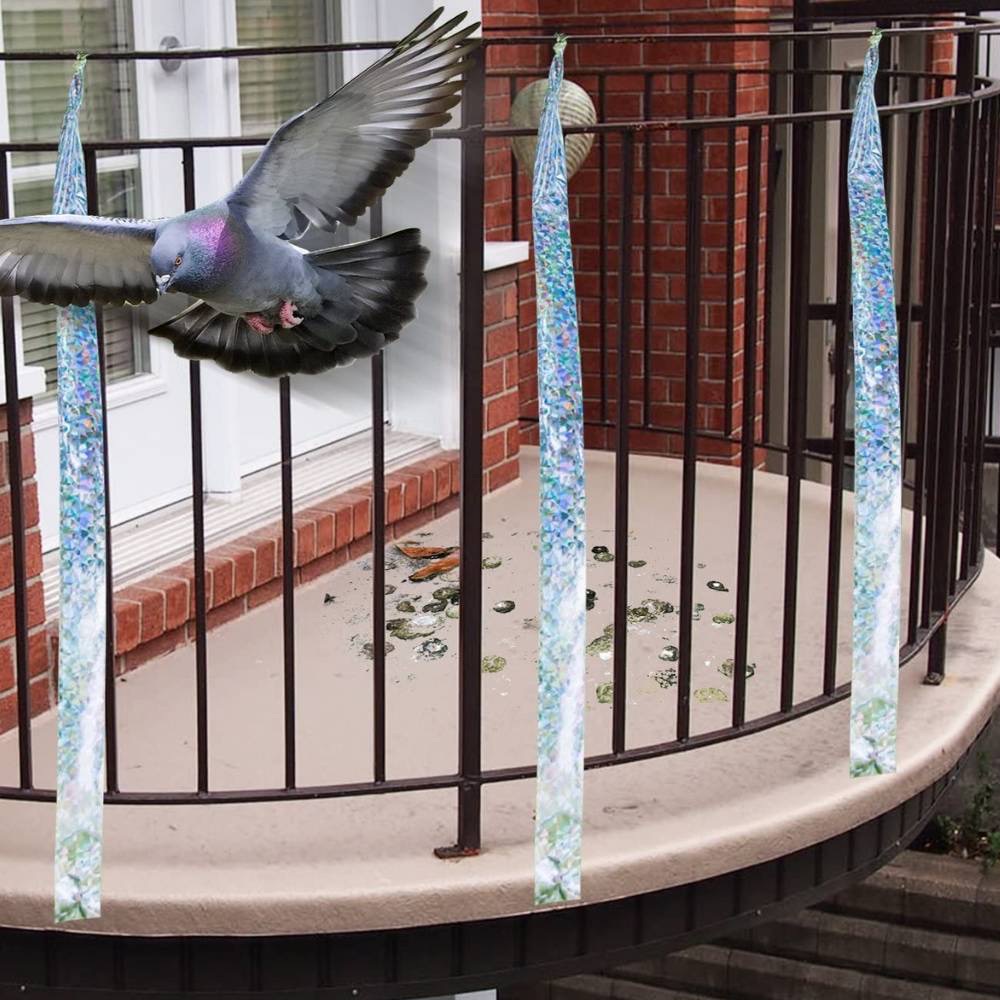
The tape is extra thick PET film stamped with a holographic diamond pattern, 5 cm wide. In sunlight, every twist of a hanging strip fires off hard, shifting flashes, and the breeze adds a soft metallic crackle. To a bird, that combination is wrong in all the right ways. Sudden light and an unfamiliar rustle in a spot that was quiet yesterday read as danger, and birds do not stick around to investigate danger. They give the area a wide berth and feed somewhere calmer.
The best part is that nothing needs power or your attention. Sun and wind run the whole show.
Does Bird Scare Tape Actually Work?
Fair question, and the honest answer is yes, with limits worth knowing before you buy.
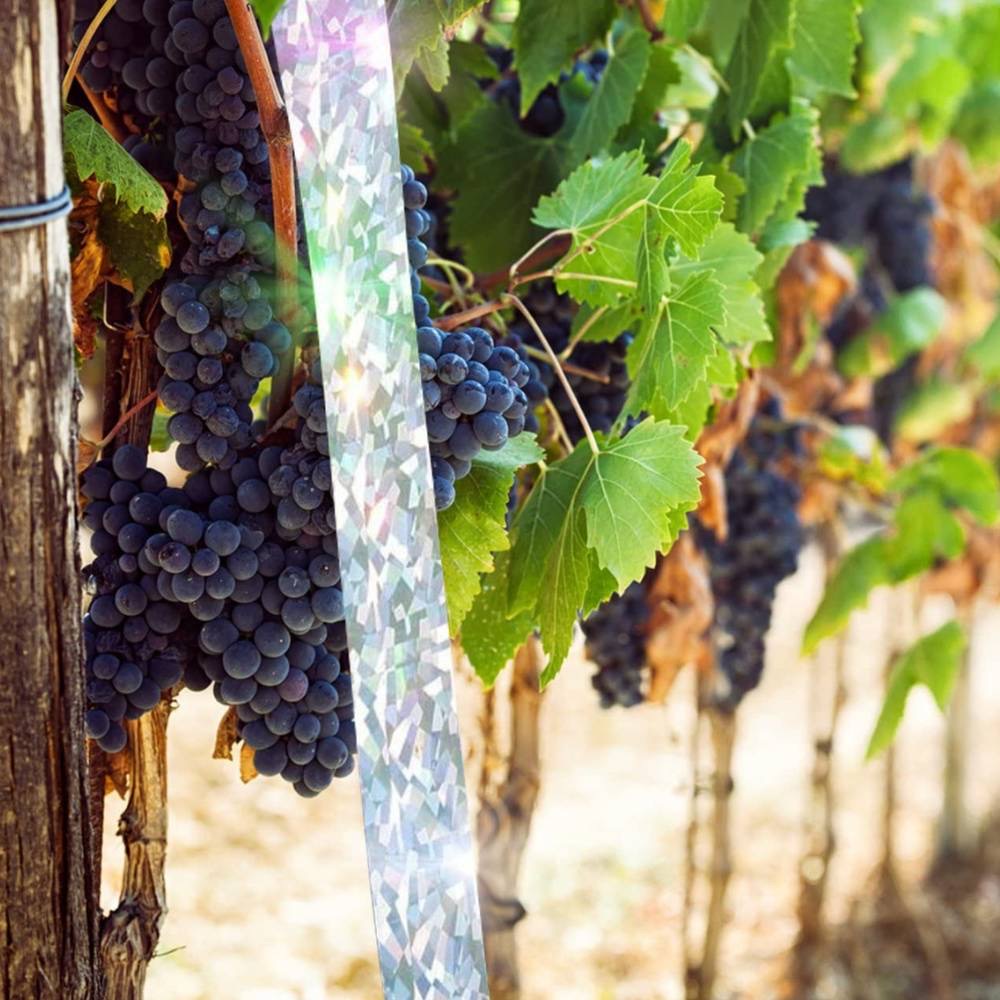
Reflective tape is genuinely effective at startling birds away from open areas. Hung over fruit trees, veggie beds, balconies, boats and sheds, it makes birds hesitate and pick an easier feed. Commercial growers use the same flash-and-flutter approach over whole crop rows for a reason.
The limits are real too. Birds can habituate. A strip that hangs in the same spot for a month, never moving on a still day, becomes furniture. Shaded, windless corners blunt the effect, since the tape needs light and air movement to perform. And a flock that has roosted in the same spot for years usually will not abandon it for flashing film alone. For entrenched roosts, use tape to unsettle and a physical barrier like spikes or netting to close the deal. Used that way, with strips refreshed every week or two, tape is one of the best value bird deterrents you can hang.
Know Your Bird
Scare tape works on most of the usual suspects. Pigeons, starlings, sparrows, gulls, crows, mynas and many parrots all respond to the flash. Skittish flocking birds, the kind that descend on ripening fruit in numbers, are the most easily spooked, which is exactly who you want gone. Starlings in particular hate a garden full of moving light, and a multi pack lets you deny them every tree at once.
The hard cases are bold, food-driven birds. A cockatoo that has decided your almond tree belongs to it takes more persuading, and for those trees the best bird tape for fruit trees setup is tape through the canopy plus netting over the crop as harvest nears.
Where the Tape Earns Its Keep
Three rolls cover a serious spread of problems. The classic spots:
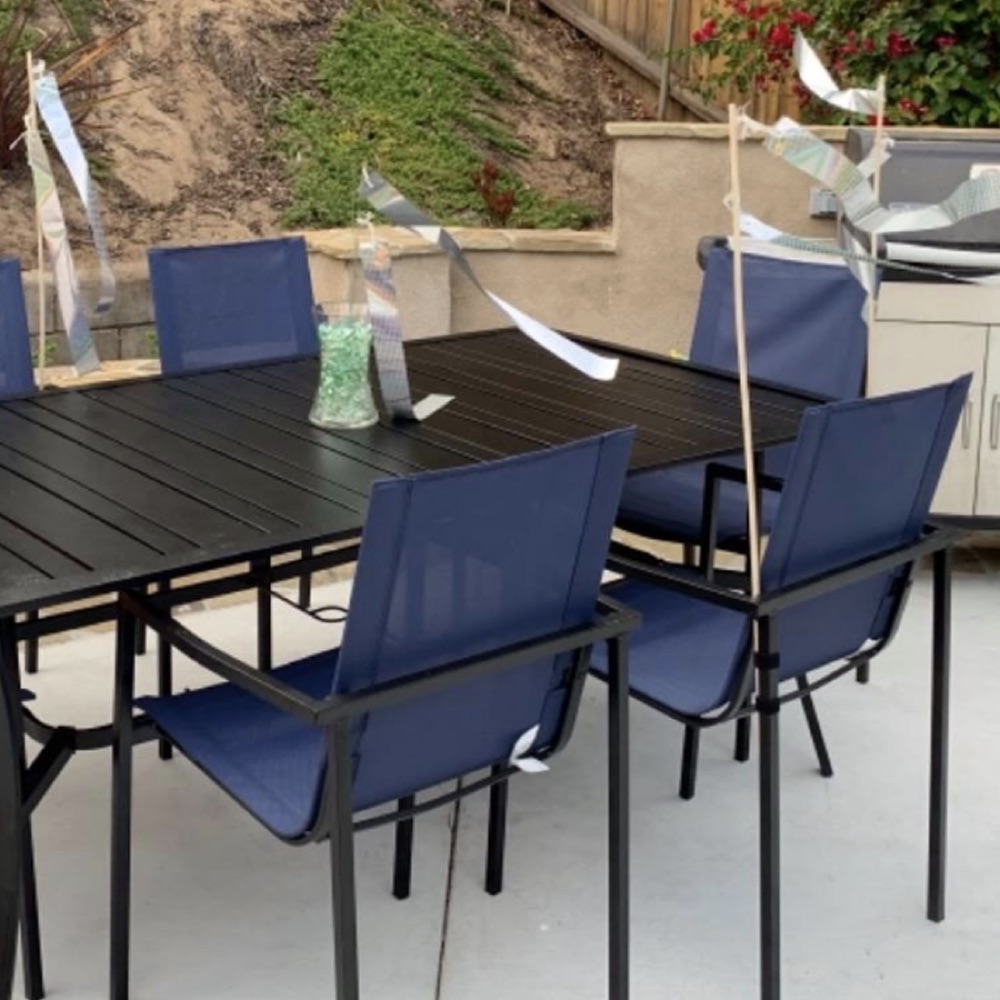
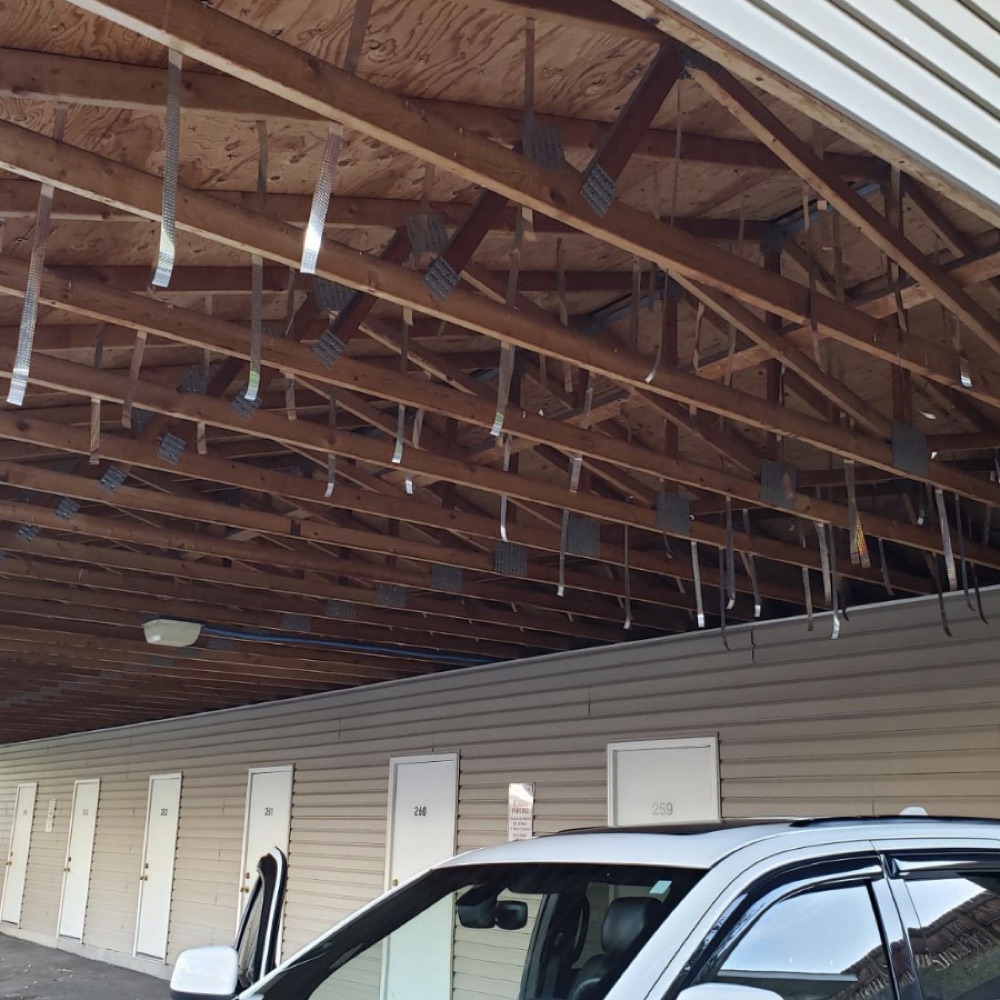
Fruit trees and berry rows, where strips twist above the ripening crop. Veggie gardens, with strips tied to a line above the beds to guard seedlings. Balconies and patios, where short strips on the railing stop pigeons before they settle. Boats and docks, with tape on rails, aerials and canopy frames to keep gulls off the covers. Sheds, carports and eaves, where hanging strips discourage roosting on beams. Anywhere with sun and a bit of breeze is fair game, which is most of the outdoors.
How to Hang Bird Tape Step by Step
First, cut. Strips of 30 to 60 cm are the sweet spot, long enough to flutter, short enough not to tangle. Three 100 m rolls cut at 50 cm give you around 600 strips, so cut freely.
Second, twist. Give each strip several full twists before you tie it off. This is the step people skip, and it matters most. A twisted strip presents both faces to the sun as it spins, so it flashes in every direction and rustles with the smallest puff of wind.
Third, fix. Tie strips with string, wire, pegs or a staple to branches, bamboo canes, a stretched line, railings or eaves. Loose is good. A strip pinned flat cannot flash.
Fourth, space. Start with a strip every 1 to 2 metres around the protected area, or 4 to 6 strips through a fruit tree canopy. Watch the birds for a few days. If they are still getting in, halve the spacing before trying anything else.
Height matters less than movement. A strip at fence height in a breezy spot outworks one nailed high in dead air.
Planning a Whole-Garden Setup
The advantage of the 3 pack is that you never have to ration. A sensible split for a suburban block runs one roll through the fruit trees and berry rows, one roll over the veggie garden and along lines and fences, and holds the third in reserve for the shed, the boat, and fresh strips through the season. On a small orchard, run all three rolls down the rows with strips every couple of metres and you will cover a row of well over a hundred metres with strips to spare. Whole-garden coverage matters because birds pushed off one tree simply test the next. When everything flashes, they leave the property instead of shuffling sideways.
Staying Ahead of Clever Birds
Birds notice patterns, so do not give them one. Every week or two, move a few strips to new spots, swap tattered ones for fresh, and change the layout a little. Before harvest, add extra strips just as the fruit colours up, which is when the pressure peaks. After the season, take the tape down. Out of sight over winter means the flash lands with full force again in spring. Reflective tape used in bursts stays scary for years. Reflective tape left up forever becomes part of the scenery.
Tape, Netting or Spikes?
Each tool has its job. Tape is the airspace weapon. It is cheap, and it can cover a whole garden in an afternoon. It is the right first move for open areas and seasonal trouble.
Netting is certainty. A properly netted tree loses no fruit, full stop, but netting costs more, takes longer to fit and only protects what it covers. Net the trees you cannot afford to share, and run tape over everything else.
Spikes solve a different problem, the ledge, beam or rail where birds sit and foul. Tape can make a roost uncomfortable, but spikes make it impossible. For a serious pigeon roost, hang tape to unsettle the flock and fit spikes so there is nothing to come back to.
Weather, Lifespan and Aftercare
This is extra thick film, made to live outside. Sun, rain and coastal air do not bother PET, and a roll of strips will see out a season and usually several. The wind that makes the tape work is also what eventually wears it, so strips in exposed spots will tatter first. Swap them, it takes seconds.
Care is simple. Wipe dusty or salt-hazed strips with fresh water to bring the shine back. Reuse any strip that is still bright by moving it somewhere new. When a strip is done, snip it into short lengths, bundle it and bin it in general waste, since PET film is not usually kerbside recyclable. Never leave loose lengths lying in the garden where wildlife could tangle in them.
Keeping It Humane and Legal
Scare tape never touches the bird, which keeps you comfortably on the right side of the law and your own conscience. Native birds are protected across Australia, and the rules come down to two points. Deter, never harm. And if a nest is active, with eggs or chicks in it, leave it be until the young have flown, then clean up and hang your tape before the next season starts.
The Bottom Line
Cut strips, twist them well, hang them over everything the birds have been eating, and move them every week or two. The 3 roll pack at $82.50 brings each 100 m roll down to $27.50 and gives you enough tape to make the whole block flash at once, which is the difference between moving the problem and ending it. Your fruit stays on the tree, and not a feather gets ruffled doing it.